
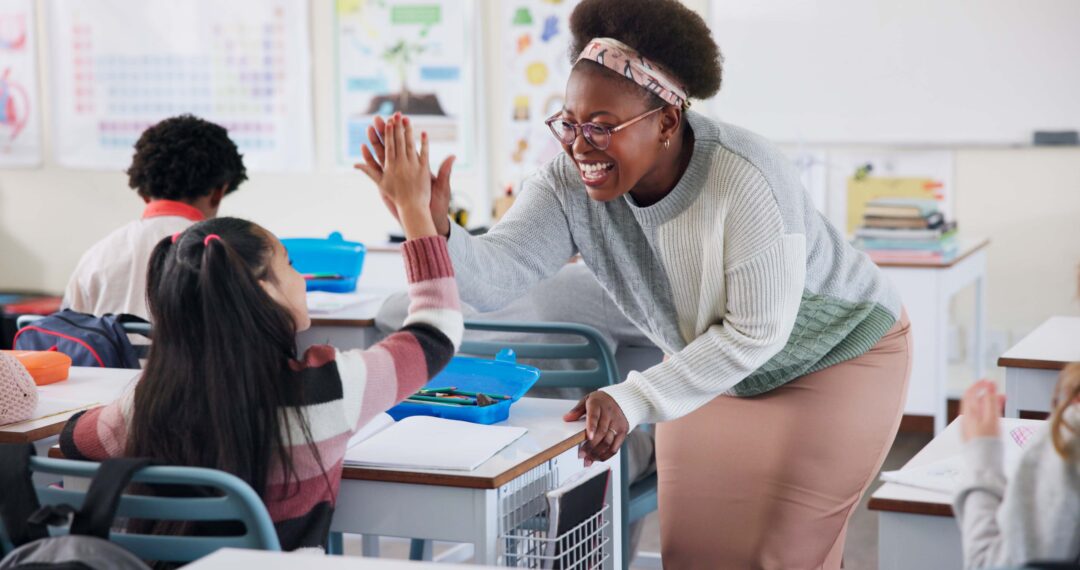
Winter brings a mix of magic and intensity for young people. Excitement grows, routines shift, sensory experiences expand, and for many students, stress tends to sneak in right alongside the snowflakes. That’s exactly why this season is the perfect time to lean into Social and Emotional Learning (SEL) and resilience-building practices—tools that help youth understand themselves, regulate big feelings, and navigate the world with confidence.
And the good news? We don’t need complex programs to make a meaningful impact. Sometimes, small, concrete strategies—like the “Chill Skills” printable—can gently strengthen the nervous system and build lifelong SEL habits.
Let’s break down the “why,” the “how,” and the “what now” behind using these simple winter-friendly tools.
Trauma, SEL, and Resilience: How They Connect
Trauma isn’t defined by the event—it’s defined by the nervous system’s response to the event. When children experience overwhelming stress without adequate support, their bodies shift into protection mode: fight, flight, freeze, or fawn. SEL skills are the exact internal tools that help youth move out of survival mode and into connection, curiosity, and confidence.
Here’s the connection, simplified:
- Trauma impacts regulation.
- SEL teaches regulation.
- Regulation strengthens resilience.
Resilience isn’t something kids earn by “toughing it out.” It’s built through repeated experiences of safety, presence, support, and successful coping. When youth learn to notice stress and choose a healthy strategy, they aren’t just calming down—they’re literally rewiring the brain toward strength.
This is why simple, accessible strategies matter. They help students practice resilience, not just talk about it.
How “Chill Skills” Support SEL Competencies
Your printable offers a set of child-friendly, visually engaging strategies that align perfectly with core SEL competencies and trauma-informed practice.
For example:
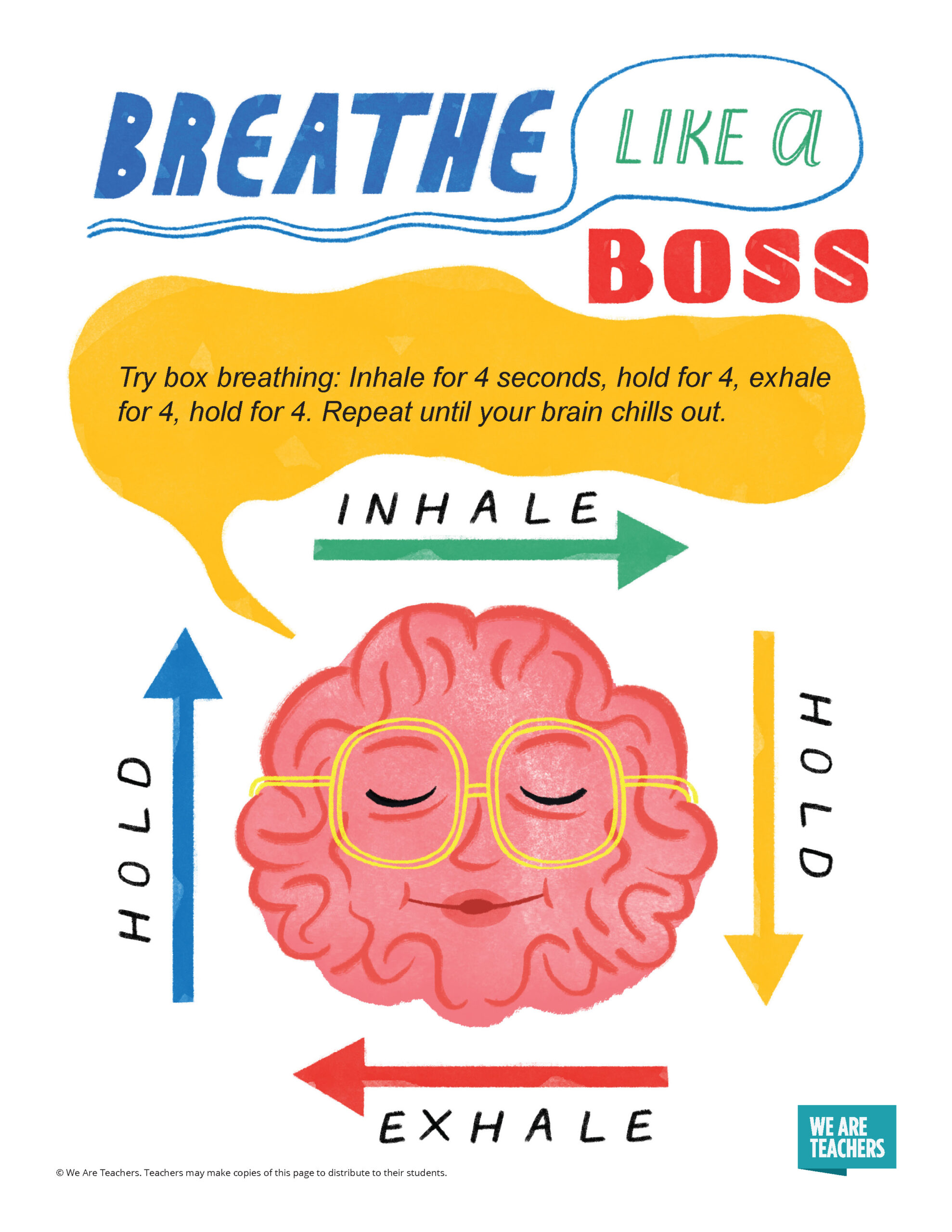
1. Breathwork (“Breathe Like a Boss”)
On page 1, students are guided through box breathing: inhale, hold, exhale, hold—for four seconds each.
This supports:
- Self-management (calming the stress response)
- Self-awareness (noticing internal changes)
- Neuroregulation (activating the parasympathetic nervous system)
2. Grounding Skills (“Ground Yourself”)
The 5-4-3-2-1 sensory trick on page 2 teaches students how to use their environment to stay present.
This fosters:
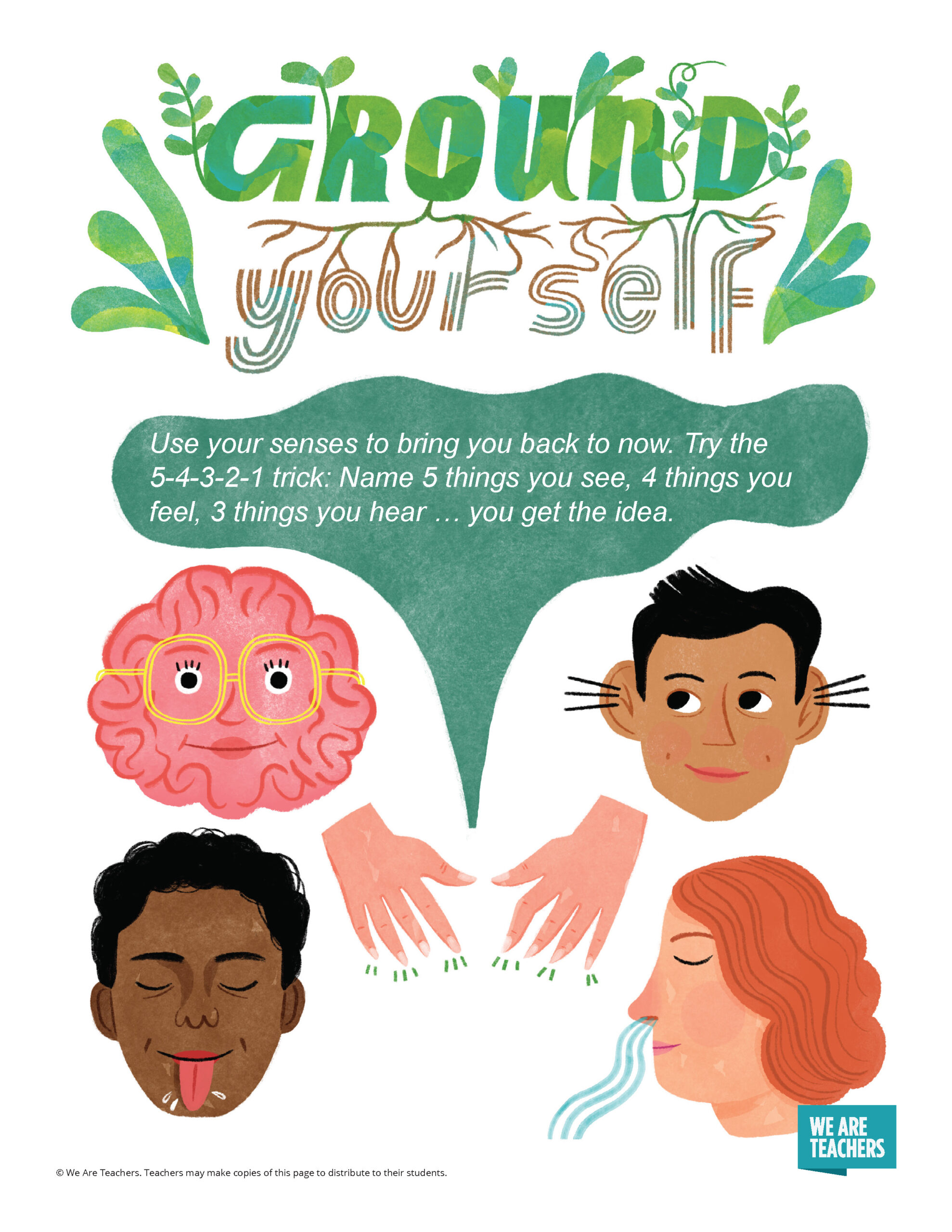
- Mindfulness
- Emotional awareness
- Body-based coping strategies
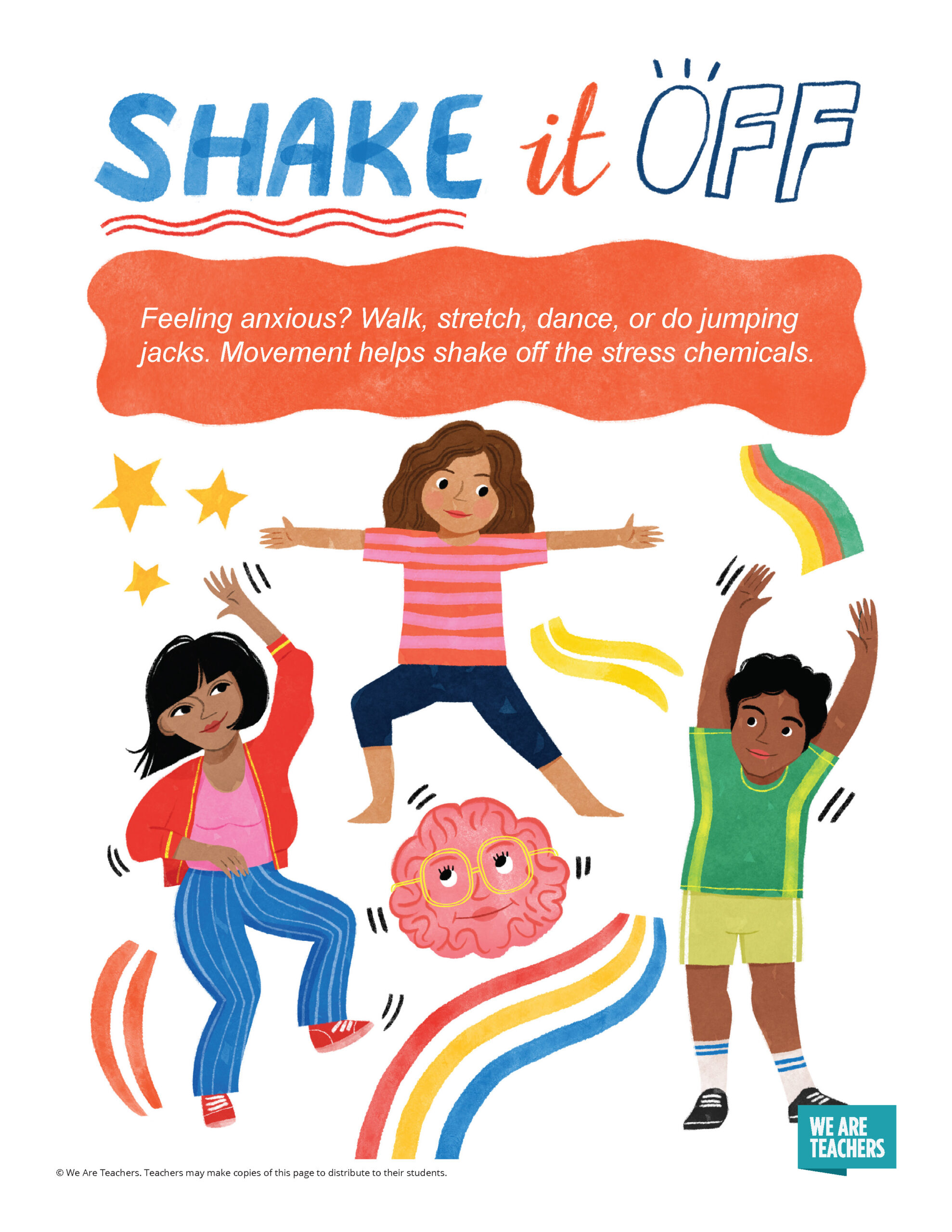
3. Movement Strategies (“Shake It Off”)
Page 3 reminds youth that movement can “shake off stress chemicals.”
This offers:
- Biological regulation
- Healthy energy release
- An empowering alternative to disruptive behavior
4. Expressive Coping (“Brain Dump = Chill Boost”)
On page 4, students are encouraged to scribble or write out stress to make feelings “less big and scary.”
This builds:
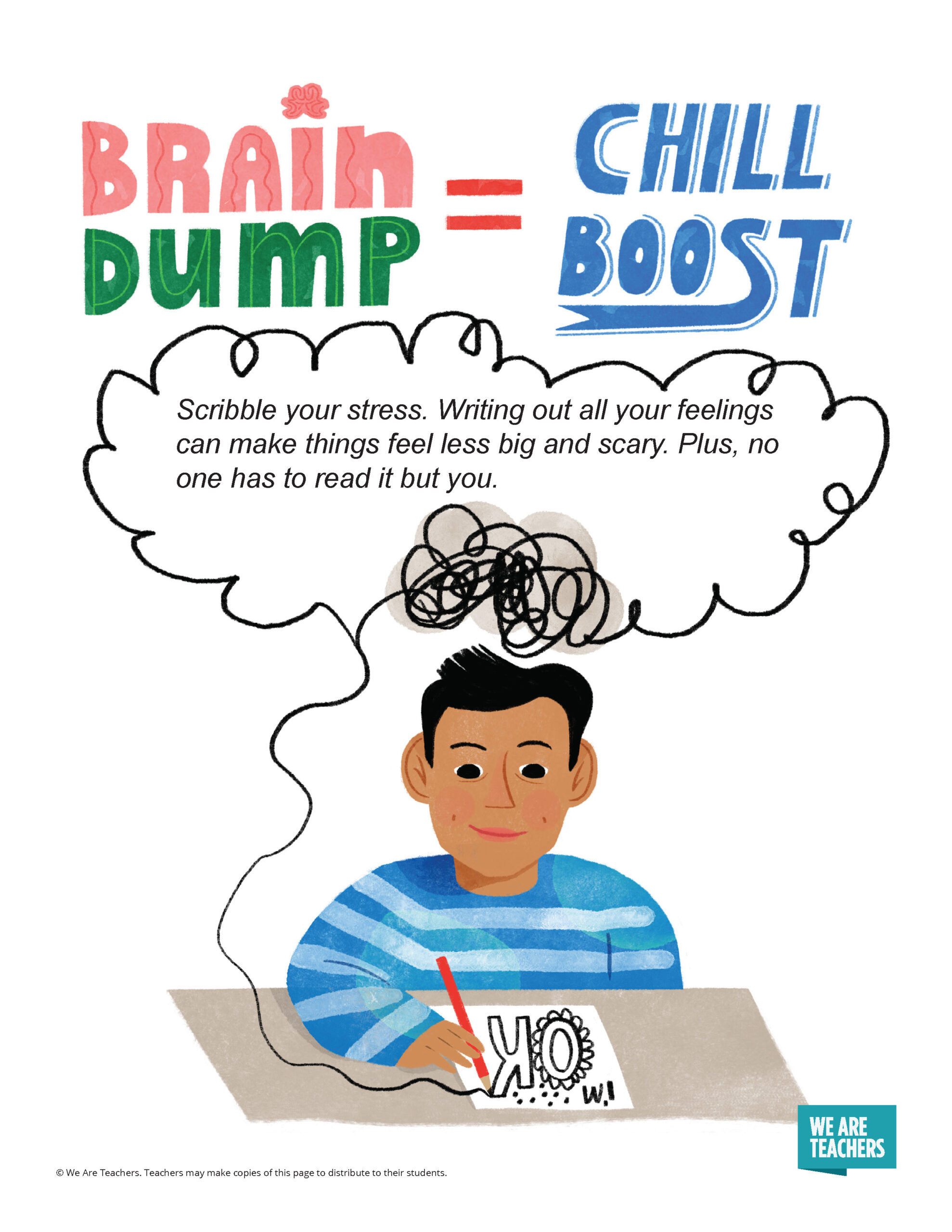
- Emotional literacy
- Healthy expression
- Cognitive processing skills
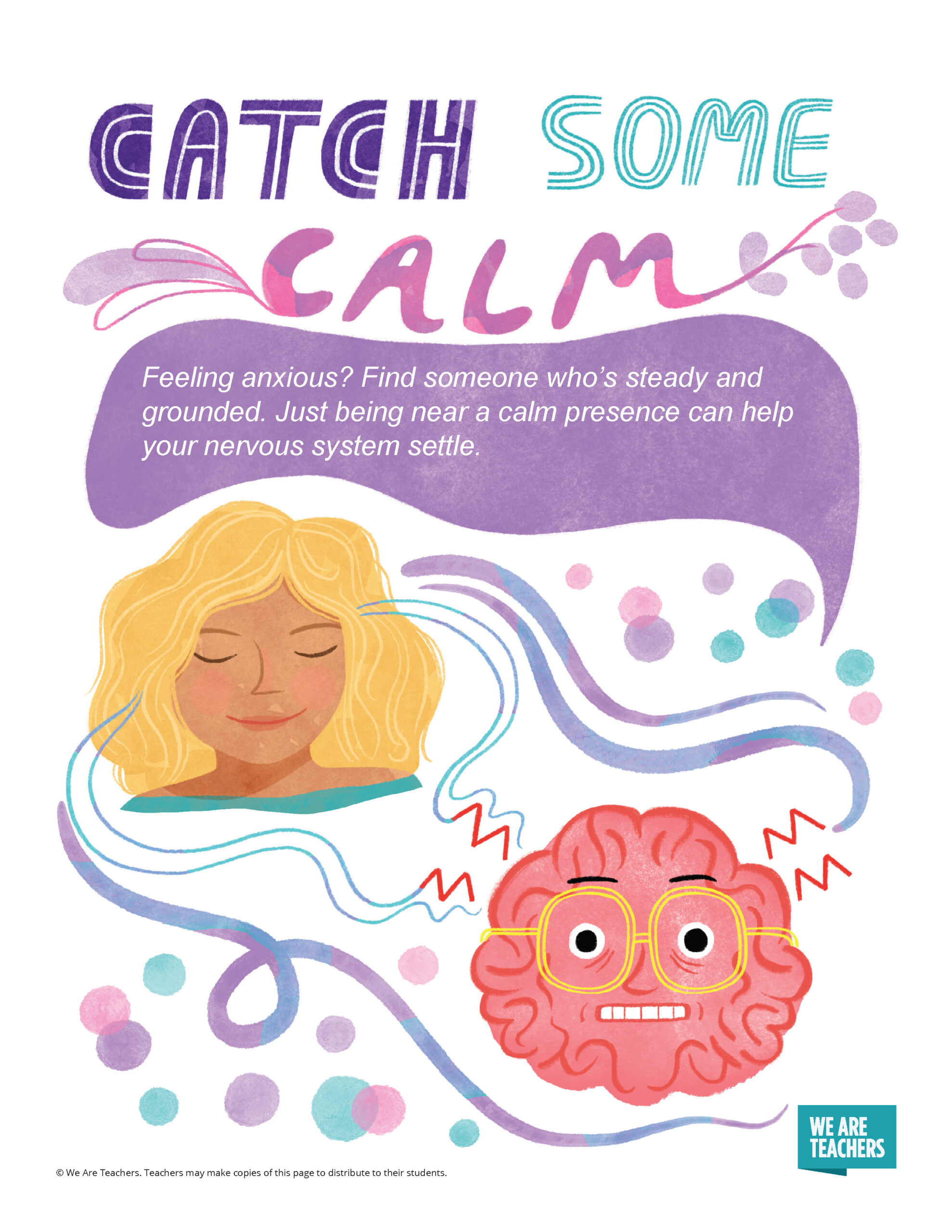
5. Co-Regulation (“Catch Some Calm”)
Page 5 teaches that being near a calm person helps the nervous system settle—a foundational trauma-informed truth.
This strengthens:
- Relationship skills
- Help-seeking behaviors
- Understanding of social support
These aren’t just cute posters—they’re powerful SEL micro-interventions.
Putting It Into Practice: Winter-Friendly Ideas
Here are some simple ways to use the printable to support SEL and resilience in your classroom or program:
1. Create a “Chill Zone”
Hang the posters in a calm corner with pillows, coloring pages, and sensory items. Let students choose which “chill skill” to try when they need a reset.
2. Start the Day with a Skill of the Week
Introduce one at morning meeting and practice it together. Collective regulation sets the tone for the day.
3. Pair Skills with Storytime or Writing
After reading a book about a character facing big emotions, ask:
“Which chill skill might have helped them?”
4. Model the Skills Yourself
Kids learn regulation by watching adults self-regulate. Use box breathing or grounding out loud when you feel the energy shift.
5. Send the Printable Home
Families appreciate simple tools. These posters make coping strategies accessible for all ages.
Why This Matters
Small SEL moments—breathing together, grounding, moving, naming feelings—are not “extras.” They are the foundation of resilience. Each skill practiced becomes a building block in a young person’s internal toolkit:
- I can calm my body.
- I can understand my feelings.
- I can find support.
- I can choose how to respond.
And when students trust in their own capacity to navigate stress, we see more confidence, more connection, more curiosity—and more joy.
This winter, let’s give youth the gift of skills that strengthen them long after the snow melts.
Download the full PDF version of “Chills Hacks” or check out our store for more SEL resources, on sale for 15% OFF until January 19!

