
Starr is committed to providing educational experiences that are grounded in research, centered on resilience, and responsive to today’s needs of children, families, and youth-serving professionals. That’s why we are thrilled to announce the relaunch of our Clinical Foundations of Trauma and Resilience certification course—newly filmed, significantly updated, and redesigned to offer a more robust and accessible learning experience.
This relaunch represents more than an update; it is a substantive advancement in how we teach and support the implementation of Structured Sensory Intervention for Traumatized Children, Adolescents, and Parents (SITCAP®).
A Newly Filmed Course With a Game-Changing Addition: The Clinical Foundations Textbook
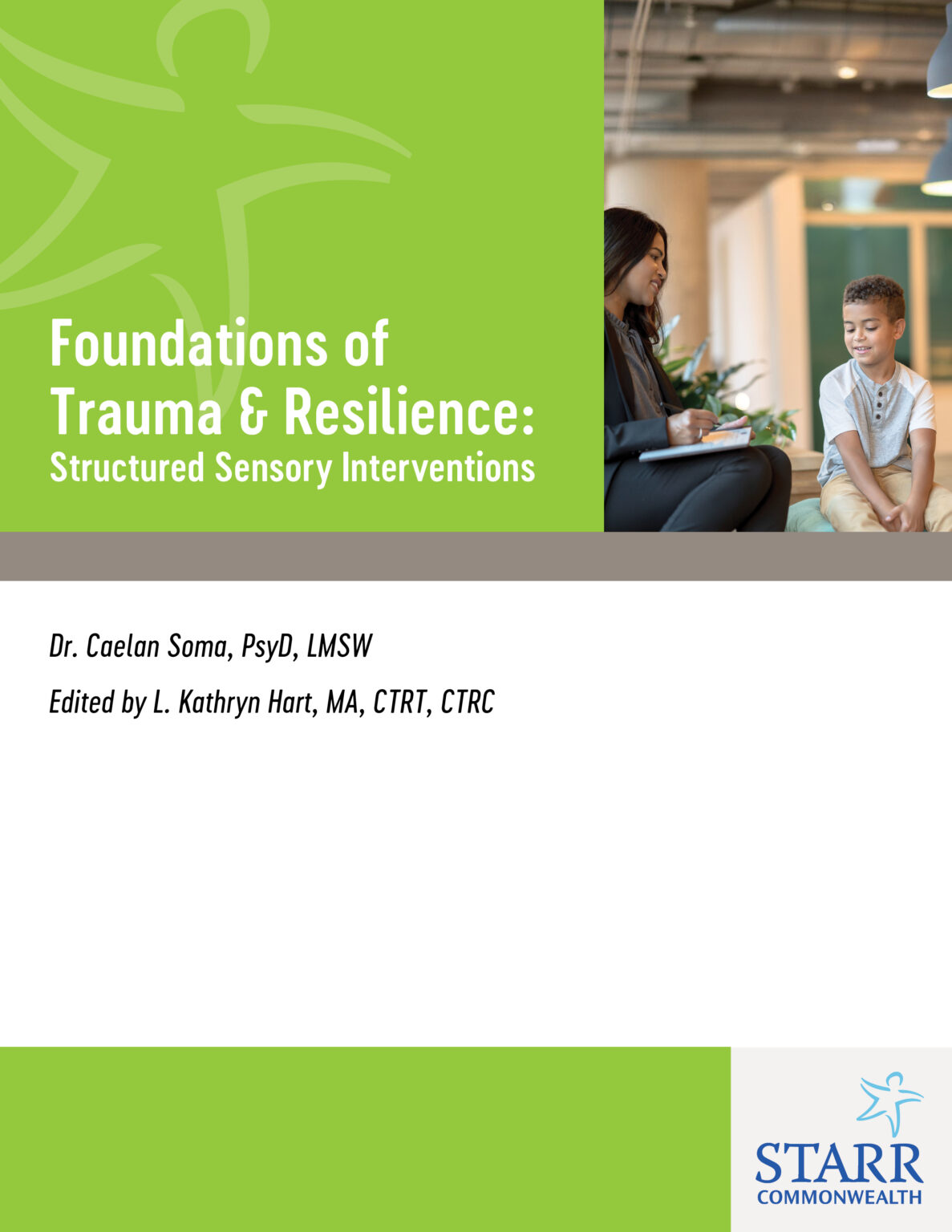
A major enhancement to the Clinical Foundations course is the addition of a comprehensive textbook, designed to accompany and deepen the full training experience. Foundations of Trauma and Resilience: Structured Sensory Interventions offers a rich, accessible deep dive into Structured Sensory Intervention for Traumatized Children, Adolescents, and Parents (SITCAP®)—providing learners with the clarity, guidance, and tools they need to confidently bring the model to life.
What SITCAP® Offers
SITCAP® is Starr’s evidence-informed, resilience-focused intervention model that helps children and adolescents process overwhelming experiences by:
- Reframing trauma through sensory-based methods
- Supporting emotional regulation through structured activities
- Helping youth transform “what happened to me” into “who I am becoming”
- Strengthening empowerment, choice, and voice
- Building resilience through a present-focused, strengths-based lens
Rather than relying solely on verbal processing, SITCAP® integrates sensory memory, movement, imagination, and creative expression, meeting young people where they are.
Historically, the model has been taught through research and practice-based training. The new textbook and updated course now provide a more cohesive, accessible, and comprehensive learning structure.
A Deeper, Clearer Learning Experience
The new Clinical Foundations text includes:
• A comprehensive explanation of the SITCAP® process
From assessment to intervention to closure, the manual outlines each step with clarity and purpose.
• Brand-new core principles of SITCAP®
A newly refined framework now anchors the model, offering learners a more structured and easily applicable way to understand what makes SITCAP® effective.
• Case examples and real-world applications
The book guides learners through hands-on practice using case stories, reflections, and structured scenarios to strengthen understanding.
• Updated scientific insights
The latest research on trauma, neurodevelopment, and resilience integrated throughout, connecting foundational practice with current science.
Expanded Course Content, Including Attachment Theory
In addition to established components such as the Behavior Support Plan and the Circle of Courage, the updated course introduces new content reflecting current best practices. A newly developed section in the training on Attachment Theory offers a modern, neuroscience-aligned understanding of how early relationships shape regulation, behavior, and resilience. This update enriches the SITCAP® lens and deepens the clinical insight learners bring to their work.
Designed for Today’s Professionals, Rooted in Starr’s Mission
Our intention was not simply to revise a course, but to elevate the entire learning experience. With new filming, a modernized structure, and the integration of a comprehensive textbook, the reimagined Clinical Foundations course reflects the latest research and evolving needs of the field. It’s designed to equip professionals with practical tools to support healing and growth.
Whether you are new to Starr or a long-standing member of our community, the refreshed Clinical Foundations course provides renewed clarity, depth, and inspiration as we continue our shared commitment to fostering healing and resilience.