child holiday painting with watercolors

How to Spot Holiday Stress in Students: A Compassionate Guide 

The holidays can be magical… and messy. 
Joyful… and overwhelming. 
Comforting… and complicated. 

For many young people, this time of year brings excitement wrapped in a big, invisible layer of stress. Routines shift. Expectations pile up. Family systems get activated. Financial strain, grief, sensory overload, and memories—good and not-so-good—all collide at once. 

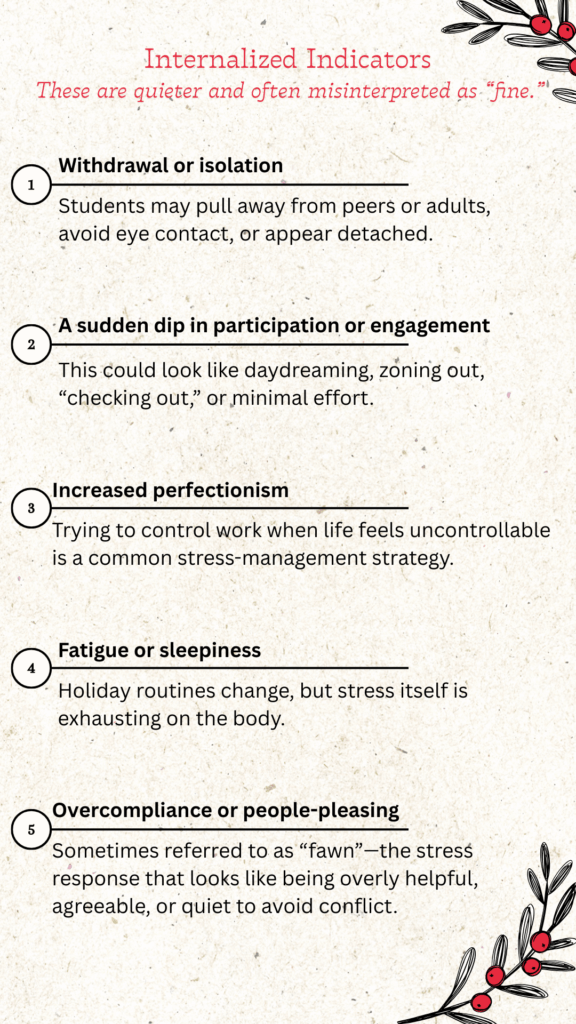
And while students may not say, “I’m stressed,” their bodies often will. 

As educators, counselors, youth workers, and caring adults, we have a powerful opportunity in this season: to notice, to be curious, and to become a regulating presence when the world around them feels anything but. 

The Holiday Stress Effect: What the Brain & Body Are Actually Doing 

A student experiencing stress—holiday or otherwise—isn’t choosing to “act out” or “shut down.” They’re responding from the part of the brain designed to keep them safe. 

Here’s what’s happening physiologically: 

The amygdala becomes more reactive, scanning for threat. 
Cortisol increases, making the body feel tense, restless, or exhausted. 
Executive functioning decreases, which affects planning, impulse control, organization, and emotional regulation. 
Fight–flight–freeze–fawn responses activate, resulting in both externalized and internalized behaviors. 

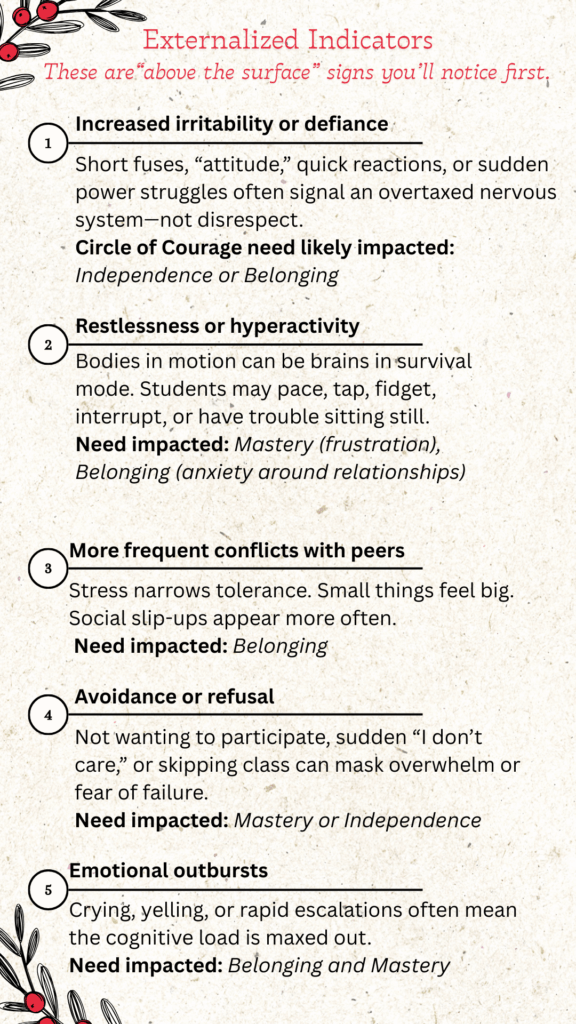
This means holiday stress doesn’t just show up as tears or tantrums—it often shows up as subtle shifts in behavior, energy, engagement, and social connection. 

The Circle of Courage Lens: Watching for Needs Beneath Behavior 

The Circle of Courage teaches us that all young people share four universal needs: 

Belonging – connection, relationship, being seen 
Mastery – competence, success, capability 
Independence – autonomy, choice, agency 
Generosity – purpose, contribution, meaning 

Holiday stress often pokes at these exact needs. When a need is threatened, behavior shifts. When a need is unmet, stress amplifies. When a need is restored, resilience rises. 


Internalized behaviors almost always signal needs around Belonging and Independence. 

Trauma & Stress Science: Why Holidays Hit Hard 

For many youth, holidays are tied to: 

  • Loss or grief 
  • Family conflict 
  • Economic stress 
  • Changes in caregiving arrangements 
  • Overstimulation (noise, events, schedules) 
  • Unpredictability 
  • Food or housing insecurity 
  • Memories of past holiday disappointments or harm 

Even joyful excitement can heighten arousal in the nervous system. 
Stress + excitement = dysregulation wrapped in glitter. 

Knowing this helps us stay curious instead of reactive. 

A Curiosity-First Approach: What You Can Do 

Here’s the good news: spotting stress isn’t about labeling behavior. 
It’s about naming underlying needs and responding with intentionality. 

1. Lead with attunement. 

A soft voice. A grounded presence. A quick, “I’m glad you’re here today.” 
Regulation is contagious. 

2. Offer predictability whenever possible. 

Post agendas. Prep for schedule changes. Give advance notice. 
Predictability lowers cortisol. 

3. Use the Circle of Courage as a daily check-in. 

Ask yourself: 
Which need might this student be trying to meet? 
How can I offer it without controlling or rescuing? 

4. Normalize the season. 

Say things like: 
“This time of year can feel like a lot for people. If you ever need a moment, let me know.” 
This reduces shame. 

5. Build micro-moments of connection. 

These take less than 60 seconds: 

  • Greeting at the door 
  • A genuine compliment 
  • A check-in on something personal 
  • Noticing effort (“I see how hard you’re trying today”) 

Tiny investments. Huge returns. 

6. Create opportunities for empowerment. 

Choice boards. Leadership roles. Helpers. Options for how to complete work. 
Independence quiets stress. 

7. Allow regulation, not punishment. 

A break corner, breathing tool, sensory movement, water break—these aren’t rewards; they’re regulation strategies. 

8. Collaborate with caregivers when appropriate. 

Sometimes a quick insight like, “Our holiday schedule is different this year” explains a lot. 

9. Model self-regulation openly. 

When adults narrate their strategies (“I’m going to take a deep breath before we dive in”), students learn the playbook. 

10. Celebrate resilience openly. 

Not the performance—the perseverance, the courage, the tiny steps forward. 

A Final Word: Stress Behaviors Are Communication

Holiday stress isn’t a failure of character. 
It’s a signal. 
It’s a story. 
It’s a need. 

Every behavior—loud or quiet, messy or controlled—is a young person’s best attempt to navigate their world with the tools they have in that moment. 

And every caring adult has the power to respond with compassion that says: 
“I see you. I get it. You matter in this space.” 

This season will always bring a mix of joy and challenge, but with curiosity, attunement, and the Circle of Courage guiding our lens, we can ensure that every student experiences something healing: 

A steady adult. 
A sense of belonging. 
A moment of safety. 
A glimmer of hope. 

Because when students feel seen during the hardest seasons, their resilience doesn’t just rise—it shines. 


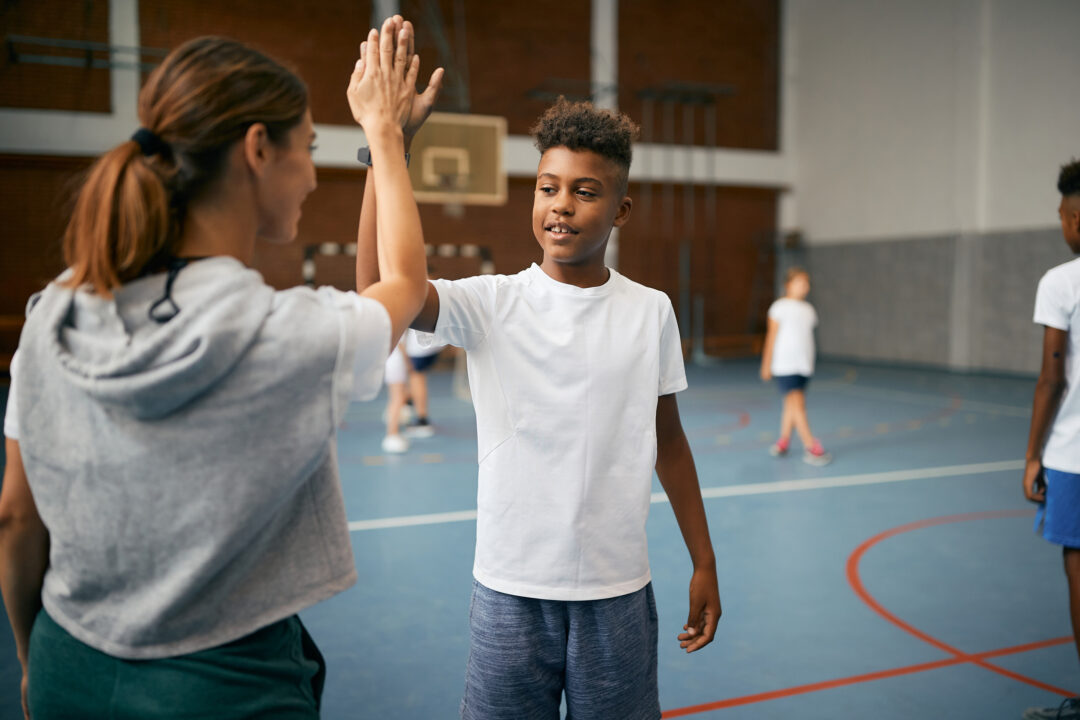
boy-giving-high-five-to-pe-teacher

The Power of Being Seen: Why Belonging Is a Universal Need (and a Daily Practice) 

There’s a moment, often subtle, when a young person realizes, “You see me.” 
Not the behavior. 
Not the mask. 
Not the file or the assumption. 
Me. 

Belonging isn’t a luxury; it’s biology. For youth who carry adversity or trauma, being seen isn’t just comforting—it’s regulating. It’s the soil where resilience grows. 

Belonging: The Universal Human Anchor 

Across decades of research—from Maslow’s hierarchy to modern neurobiology—we see the same truth repeated: humans thrive when they feel connected and valued. Dr. Bruce Perry’s work on relational health, the Center on the Developing Child’s research on buffering stress, and countless resilience studies all point to the same conclusion: 

Safe, attuned relationships are the most powerful antidote to toxic stress. 

When young people perceive themselves as unseen or misunderstood, their nervous system shifts into protection mode. We might see this as withdrawal, defiance, perfectionism, shutting down, lashing out, or “not caring.” But these are stress responses—efforts to cope, not character flaws. 

Flip that experience, though—let a young person feel recognized, respected, and valued—and the entire system softens. Their capacity for learning increases. Their coping strategies expand. Their self-concept strengthens. Their hope rises. 

Belonging literally reshapes the brain. 

“Perspective Is Reality”: Why Feeling Seen Matters More Than Our Intent 

One of the gentlest reminders we offer professionals is this: 
We may believe we’re being welcoming… but do students feel welcomed? 
We may think we’re being supportive… but do they experience support? 

Trauma research teaches us that the brain responds to perception, not intention. A student who feels invisible will operate as though they are. A youth who perceives adults as unsafe—even unintentionally—will engage in behaviors shaped by that reality. 

This is why our daily practice must shift from “I see you” to “You feel seen.” 

That’s the sweet spot. 
That’s where trust takes root. 
That’s where healing begins. 

The Regulation Loop: How Feeling Seen Mitigates Stress and Trauma Responses 

When youth experience being seen and understood—especially in moments of dysregulation—their physiological stress response shifts: 

  • Cortisol decreases 
  • Heart rate stabilizes 
  • Executive functioning becomes more available 
  • Adaptive behavior increases
  • Resilience characteristics—hope, autonomy, perseverance, connection—strengthen 

In effect: 
Co-regulation becomes self-regulation. 
Self-regulation becomes resilience. 
Resilience becomes possibility. 

Being seen isn’t just a “nice to have”—it’s a protective factor. 

So… How Do We Help Every Youth Feel Seen? 

Having established the science and impact of belonging, the next step is taking practical action.  Here are some concrete, do-tomorrow ideas—simple, human methods that create big relational impact: 

1. Greet the whole human, not just the role they’re in. 

Use names. Make eye contact. Offer warmth. 
A 3-second attuned greeting can shift a student’s entire physiological state. 

2. Reflect their strengths—especially the ones they don’t yet notice. 

Try this language: 
“I notice how persistent you are.” 
“You bring such creativity to this space.” 
“Your kindness changes the room.” 
Strengths reflected become strengths believed. 

3. Practice “micro-attunements.” 

Mini check-ins. A nod. A moment of soft curiosity. A quick “How’s today treating you?” 
Tiny actions, huge impact. 

4. Narrate the positive meaning you make of their behavior. 

Instead of interpreting defiance, interpret need. 
“You’re trying really hard to stay in control right now—I can see that effort.” 
This helps youth reinterpret themselves through a resilience lens. 

5. Invite voice, agency, and choice. 

Trauma steals control. 
Belonging restores it. 
Offering even small choices (“Would you rather start here or here?”) helps rewire powerlessness into empowerment. 

6. Celebrate lived experience—not just performance. 

A student’s cultural identity, background, and story should feel honored, not hidden. Representation is relationship. 

7. Repair quickly and without ego. 

Misattunements happen. Humans are human. 
But genuine repair says, “Our relationship matters more than the moment.” 

8. Keep curiosity at the center. 

What need is this behavior trying to meet? 
Curiosity transforms frustration into compassion—and compassion helps kids feel safe. 

Belonging Fuels Resilience 

When young people experience being seen: 

  • They take more risks in learning 
  • They recover more quickly from stress 
  • They internalize a positive self-concept 
  • They develop the capacity to form healthier relationships 
  • They build resilience that lasts into adulthood 


A sense of belonging is essential; it provides the core foundation for growth, resilience, and well-being. When belonging is prioritized, individuals feel secure and capable of reaching their potential. 

At Starr Commonwealth, we believe that true healing comes from consistently showing up for youth with intention and care. It’s the daily commitment to remind every young person: you matter here, you are valued, and you belong.  

A Final Word of Hope 

Every young person longs to be seen. And every caring adult has the power to be that mirror, that anchor, that calming presence that whispers: 

“I see you. I’m with you. You are not alone.” 

What a beautiful responsibility. 
What a transformative gift. 
What a profound way to change the world—one human connection at a time. 

Bridging the Break: How We Stay Connected With Youth Even When We’re Apart 

Across the world, this time of year brings a shift. Work rhythms change, programs pause, schools temporarily close, and many of us prepare for holidays or seasonal celebrations that mark the end of a year. 

In youth-serving spaces—whether we’re supporting children in schools, counseling rooms, community programs, shelters, after-school centers, or behavioral health settings—it’s natural to lean into the collective excitement that a “break” often brings. 

But trauma-informed practice teaches us to hold more than one truth at a time: 

Yes, breaks can be joyful. And yes, breaks can be deeply challenging. 

For some young people, time away from school or services means rest, tradition, play, and connection. 

For others, it means long stretches without predictable routines, fewer safe adults to check in with, complicated family dynamics, increased stress, or an overwhelming amount of unstructured time. 

A break from services can sometimes mean a break from regulation, safety, nourishment, or belonging. 

This isn’t a call to mute the joy of the season—it’s an invitation to widen the circle. Research consistently highlights the protective power of connection, consistency, and emotional safety—all of which can waver when routines pause. 

The good news? 
With intentional language and preparation, we can help every young person feel seen, supported, and ready for the break ahead. 

Below are practical, research-informed strategies to help ensure that every child or adolescent—excited, anxious, or somewhere in between—feels seen, supported, and equipped as we head into holiday and seasonal breaks.  

1. Reframe the Countdown: Keep the Excitement, Remove the Assumptions 

Across settings, we often hear: 
“Only a few more days until break!” 

That may feel celebratory to some youth—but for others, it signals the loss of stability, trusted adults, or emotional safety. 

Try shifting the narrative to be both warm and inclusive: 

  • “Break is coming up soon—let’s talk together about what we might need during that time.” 
  • “These last days before our pause are important. Let’s use them with intention.” 
  • “Break can feel exciting, overwhelming, uncertain, or something else completely. However you’re feeling is welcome.” 

These small shifts keep joy alive while also protecting the experiences of those who may be silently bracing themselves. 

2. Help Youth Build Predictability When Routine Is About to Disappear 

Research is clear: Predictability regulates the nervous system. 
Before your time together pauses, help youth map out what to expect—or what to reach for—when routines dissolve. 

Try a “My Break Plan” Activity: 

Include simple, accessible prompts: 

  • People I can reach out to if I need help 
  • Activities that calm me when I’m stressed 
  • My ideas for a daily routine (even broad categories: morning/afternoon/evening) 
  • Places in my community where I feel safe or comfortable 
  • Phone numbers or hotlines for support 
  • “What helps me when I feel…” (anxious, bored, overwhelmed, lonely) 

The aim isn’t perfection—it’s agency, which is deeply protective for youth who’ve experienced trauma. 

3. Strengthen Connection Before Services Pause 

Connection is not just meaningful—it is biologically regulating (Perry, 2021). 
Before a break: 

Offer universal, grounding messages: 

  • “No matter how your break goes, you still belong here.” 
  • “When we return, I’m excited to see you again.” 
  • “You matter to me and to this community.” 

Try a circle or group discussion: 

Normalize the full range of feelings: 
“Some people feel excited. Some feel nervous. Some feel both. All feelings are okay.” 

This creates space for honesty—and dissolves shame for those who aren’t looking forward to time away. 

4. Use Inclusive, Trauma-Sensitive Language Around Home and Family 

Winter closures and holidays often come with lots of “family” talk. But not all youth experience family as safe or comforting. 

Try shifting to phrasing that embraces all realities: 

  • Instead of “Enjoy time with your family!” 
    Try: “I hope you find moments of rest, joy, or comfort during the break—in whatever ways feel right for you.” 
  • Instead of “Tell your parents…” 
    Try: “Share this with the adults or caregivers who support you.” 
  • Instead of “What are your holiday traditions?” 
    Try: “What’s something you hope to do, try, or experience during the break?” 

Language matters. It signals that youth do not need a “certain kind of family” to be valued or included. 

5. Send Youth Into Break with Tools, Not Just Time Off 

Whether you support kids through therapy, mentoring, group work, drop-in services, or school-based programs, consider offering coping tools they can use independently. 

Build a “Break Resilience Kit” or handout with: 

  • Simple regulation strategies (breathing patterns, grounding exercises, movement resets) 
  • A menu of coping activities 
  • A list of local safe spaces/events 
  • A feelings wheel 
  • Positive affirmations rooted in resilience and identity 
  • Optional journaling prompts 
  • Crisis hotline numbers or resource contacts 

These are not ‘clinical interventions’—they’re lifelines of self-regulation and connection that kids can grab onto when needed. 

6. Support Caregivers Gently and Collaboratively 

Families are often navigating their own layers of stress, trauma histories, cultural expectations, or holiday pressure. 

A brief, compassionate message can make a difference: 

  • “Breaks look different for every family. Here are some optional ideas that may support consistency, connection, or calm during your time together.” 

Share simple co-regulation ideas caregivers can realistically do: 

  • Taking movement breaks together 
  • Practicing a shared breathing routine 
  • Setting a predictable mealtime, even if other routines shift 
  • Using emotion language intentionally (“I’m feeling overwhelmed—let’s take a breath together.”) 

7. Prioritize Your Own Awareness and Regulation 

Whether you’re a clinician, educator, youth worker, or support staff—your nervous system is a major intervention. 
Before break, reflect: 

  • How am I assuming youth feel? 
  • How can I stay grounded even as my own energy dips? 
  • Which youth might need an extra moment of connection before we separate? 

Regulated adults create environments where youth feel safe—even when the world outside feels unpredictable. 

8. Leave Youth With Hope—Authentic, Not Performative 

Hope isn’t pretending everything is great. 
Hope is reminding young people they have strengths, tools, and caring adults who will still be there on the other side of the break. 

Try messages like: 

  • “Whatever your break looks like, you have what you need to get through hard moments—and support if you need it.” 
  • “If things get tough, here are people and places you can reach out to.” 
  • “We will be here when you return.” 

Hope is one of the most scientifically validated resilience factors. And it costs nothing to offer. 

Closing Reflection 

Holiday and seasonal breaks impact young people in beautifully different—and sometimes painfully different—ways. 
A trauma-informed mindset doesn’t erase the joy; it simply makes space for all experiences. 

When we send youth into a break with regulation tools, predictable plans, inclusive language, and warm connection, we’re not just preparing them for time away—we’re reinforcing their sense of identity, safety, and resilience. 

We remind them: 

“Whatever this break brings, you are not on your own. You are seen, you belong, and we will be here when you return.” 

That is trauma-informed care. 
That is resilience science in motion. 
And that is how we help every young person feel held—even when services pause. 

🌟 Which strategy sparked something in you? Commit to trying one during this season of pause—and let us cheer you on. Share your resilience-inspired ideas for supporting yourself, your colleagues, and the youth you serve by tagging us on social media. Let’s ripple hope forward, together.  

The Science of Gratitude in Trauma-Informed Schools: Building Belonging & Resilience


November quietly encourages us to turn inward. As the air cools and life slows down, we find space to breathe, relax, and focus on what truly matters. In youth-serving spaces, this season is more than a calendar moment. It is a reminder that gratitude is not simply a virtue; it is a healing practice, a regulation tool, and a pathway to resilience

 Especially for young people who have weathered adversity, gratitude helps gently reintroduce safety, connection, and possibility. And for the adults carrying them — the educators, clinicians, mentors, caregivers — gratitude becomes a lifeline back to purpose and hope. 

What science tells us, and what our hearts already know, is profound: 
gratitude strengthens neural pathways for joy and perseverance; it lowers stress hormones, nurtures emotional regulation, and brings the nervous system from survival mode into connection and learning. 

In trauma-informed schools, gratitude becomes not an activity, but a way of being — a rhythm that builds resilient brains and resilient communities. 

A Trauma-Informed Lens on Gratitude 

When we support children and teens who have experienced trauma, we honor the truth that learning cannot flourish without safety. Safety cannot flourish without connection. And connection deepens when gratitude is present, not in forced or performative ways, but as a gentle noticing, a shared breath, a “thank you for being here.” 

Gratitude in trauma-informed environments helps young people feel: 
Safe and grounded 
Seen and valued 
Connected to others and to purpose 
More hopeful about their abilities and future 

These experiences mirror the Circle of Courage — especially belonging, mastery, and generosity. In naming what is good, what is growing, and what is possible, we invite youth to see themselves not through the lens of what happened to them, but through the power that lives within them. 

Gratitude does not bypass hardship. 
It reminds us that we are not defined by it

Restorative Gratitude in Practice 

Gratitude in youth-serving environments is most impactful when it feels authentic, relational, and rooted in choice. Below are practices that blend neuroscience, restorative approaches, and resilience-building: 

🌟Strength-Spotting With Heart 
Instead of praising outcomes,
affirm identity and effort: 

“I saw the courage it took to keep trying — that tells me a lot about who you are.” 

🌟 Belonging Circle Moments 
Invite community, not performance: 

“Who helped you feel supported today?” 
“What made you feel proud of yourself?” 

🌟 Grounding Through the Senses 
A calm nervous system receives gratitude more easily:

“Notice one sight, one sound, or one feeling that brings you comfort right now.” 

🌟 Generosity Reflections 
Honor the joy of giving: 

“What’s one way you lifted someone up this week?” 


These practices don’t just teach gratitude, they build it into the body and the brain

The Adult Heart: Gratitude for Those Who Serve 

The work of supporting young people is sacred — and can also be heavy. As much as students need belonging, mastery, independence, and generosity, so do the adults who show up for them day after day. 

A daily gratitude ritual, even 60 seconds, can shift a stressed brain back toward hope: 

One affirmation for yourself 
One appreciation for a colleague/friend/family member 
One strength you noticed in a young person 

This simple pause becomes a restorative breath, a reconnection to purpose, a reminder: you are not alone in this work. 

When adults feel valued, grounded, and regulated, young people feel safer — and learning becomes possible again. 

A Season to Remember Our Strength 

Gratitude is not a soft skill. It is a resilience practice — a way we steady ourselves and each other. As this season invites us to reflect and recharge, may we remember that gratitude builds: 

Connection → which builds trust 
Trust → which builds safety 
Safety → which builds resilience 
And resilience builds thriving futures 


Every time we pause to say, “I see you,” “I appreciate you,” “Thank you for trying,” we plant another seed of belonging and hope. 

This month — and always — may we notice the quiet victories, honor the strength in struggle, and celebrate the courage it takes to grow. 

As you continue nurturing resilience in the young people you serve, remember to nourish your own well-being along the way. The Practicing Resilience Journal: Essential Self-Care for Helping Professionals is a powerful companion for building grounding routines, honoring your emotional landscape, and reconnecting to purpose, one reflection at a time.

For a limited time, enjoy 15% off your entire purchase during our holiday sale.
Give yourself the restorative support you deserve.
Get a sample of the journal here: Practicing Resilience Journal sample.

Building Belonging: 5 Activities to Connect with Students in September 

When I think back on my years in the classroom, September always felt like the most important month. The first few weeks weren’t just about setting routines or reviewing content—they were about answering one big question for my students: Do I belong here? 

I quickly learned that belonging is the heartbeat of a trauma-informed classroom. Without it, lessons fall flat and behavior challenges spike. With it, kids are more willing to take risks, connect with peers, and grow academically. That’s why I leaned into the Circle of Courage philosophy, where belonging is recognized as a universal need for every child. 

The good news? You’re likely already doing many of the things that foster belonging—greeting students warmly, celebrating progress, or listening when a child shares a story. These five activities simply build upon that incredible foundation. 

1. Name & Story Circles 

I started Mondays by inviting students to share their name and a small story—something about their weekend, a hobby, or even just a song they liked. It created a rhythm of listening and being heard. 

🌟 The Difference it Made: Students who carried heavy stressors often felt invisible. These moments said, “I see you, and your voice matters.” 

🌟 Inspiration: When we intentionally carve out time for connection, we show students that relationships matter as much as academics. Even five minutes can set the tone for the day and remind every child that their presence is valued. 

2. Class Identity Project 

Instead of decorating my classroom myself, I made it a collective project. We built a class flag filled with words, drawings, and colors that represented who we were together. 

🌟 The Difference it Made: It shifted the space from “my classroom” to “our classroom,” which gave students ownership and pride in being part of the community. 

🌟 Inspiration: Trauma often leaves kids feeling like they don’t have a place. When they see their ideas, art, or words displayed in the room, they feel anchored. Belonging isn’t abstract—it’s visible, and it grows stronger when we build it together. 

3. Morning Check-In Board 

Right by the door, I placed a feelings chart with emojis and colors. Each morning, students dropped their marker on the emotion that best described their start to the day. 

🌟 The Difference it Made: It gave me a quick snapshot of how students were arriving, and it gave them permission to acknowledge their feelings without needing to say much. 

🌟 Inspiration: Sometimes the smallest gesture—like recognizing a student’s “red day” before it escalates—can prevent a breakdown and build trust. Check-ins remind students that emotions are normal and that adults will meet them with compassion, not judgment. 

4. Shout-Out Circle Fridays 

Every Friday afternoon, we ended the week with shout-outs. Students recognized one another for kindness, effort, or teamwork. 

🌟 The Difference it Made: It built a culture of generosity and reminded kids that they weren’t alone in noticing each other’s strengths. Plus, it always sent us into the weekend on a positive note. 

🌟 Inspiration: Generosity isn’t only about giving—it’s about belonging. When students lift each other up, they realize that community is about mutual care. This simple practice turns classmates into allies and builds resilience for the whole group. 

5. Teacher Connection Notes 

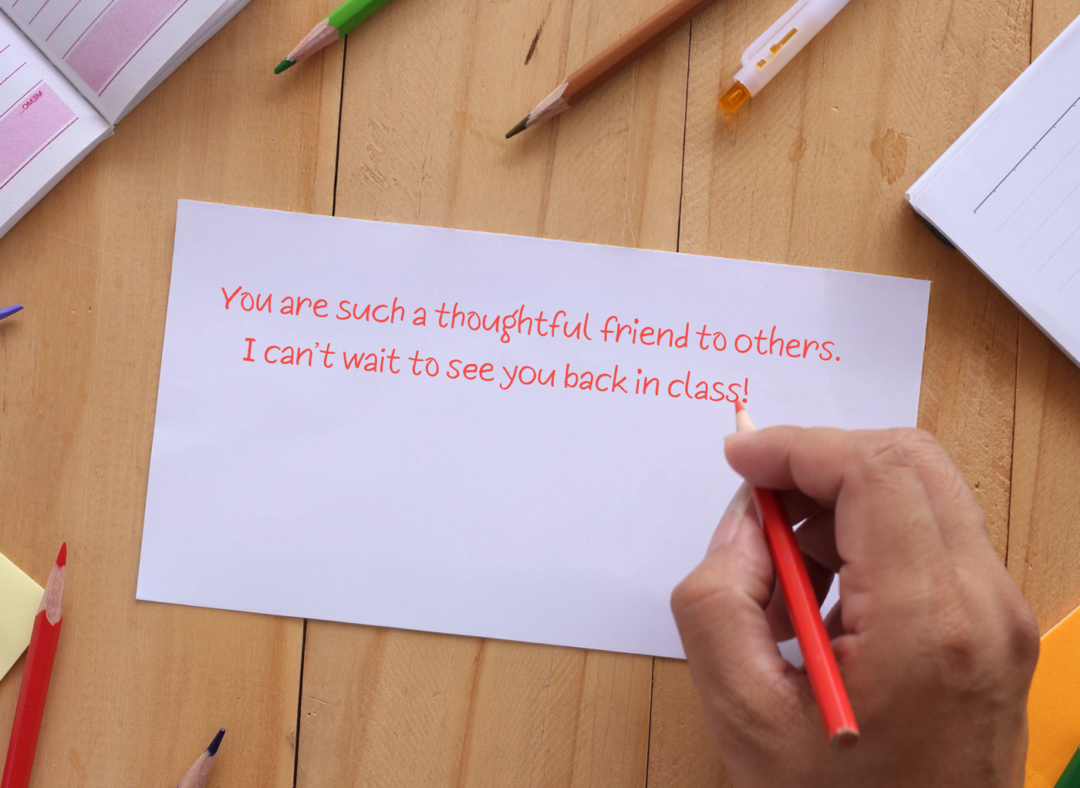
Each week, I wrote a few quick notes—sometimes just a sticky note—celebrating something I’d noticed. 

🌟 The Difference it Made: For a student who rarely hears positive feedback, even a short “I love how focused you were today” can be transformative

 🌟 Inspiration: Educators already notice countless little wins in their students. Putting those observations into words makes them stick. A single note can echo louder than a reprimand and remind a student they are capable of great things. 

Keep the Momentum Going 

These small practices made a big difference in my classroom, but belonging is bigger than a handful of activities—it’s a culture. The more consistent and intentional we are, the more our students trust that school is a place where they are safe and valued. 

Belonging is the foundation of resilience. When we create classrooms where students feel they matter, everything else—learning, growth, and even joy—flows more naturally. And that’s the kind of classroom every child deserves, right? 

Beyond the Behavior: A Trauma-Responsive Approach to Youth Substance Use 

The rising rates of substance use among youth—whether it’s vaping, alcohol, or other drugs—are an urgent and undeniable reality in our schools and communities. But what if we told you that substance use isn’t the problem? What if we looked beyond the behavior and saw it for what it truly is—a symptom of something deeper? 

As school professionals and leaders, we have a choice: we can continue to chase symptoms, reacting with punitive discipline that often reinforces harm, or we can commit to understanding why a young person turns to substances in the first place. 

At Starr Commonwealth, we believe in the power of Resilience-Focused Schools, where we recognize that behavior is communication and that every child can heal and grow when we meet their core needs. 

Addiction as a Response to Pain: What Are Students Really Telling Us? 

We often focus on what we can see—students vaping in bathrooms, smelling of smoke, or getting caught under the influence. But substance use is not about the nicotine, alcohol, or drugs themselves. It’s about the need those substances are temporarily filling. 

Young people turn to substances as a means of coping with overwhelming emotions—fear, anxiety, loneliness, stress, or trauma. When they don’t feel safe, when they lack a sense of belonging, or when life feels unpredictable, substances offer an escape. Addiction is not about seeking pleasure—it is about seeking relief. 

To make a lasting difference, we must first seek to understand rather than control. The question isn’t “How do we make them stop?” but rather “What pain is this child trying to numb?” 

The Circle of Courage: Meeting Needs Before Addressing Symptoms 

When we discipline students for substance use without addressing the why, we risk deepening their sense of disconnection and reinforcing the very emotions that led them to use in the first place. Suspension, exclusion, and shaming don’t solve the problem—they amplify it. 

Instead, we can turn to a strengths-based framework like Starr’s Circle of Courage® model, which identifies four universal needs that every young person must have met to develop resilience:

Belonging – “Do I matter? Who truly sees me?” 
Mastery – “Am I capable? Can I be successful in something meaningful?” 
Independence – “Do I have agency and control over my life?” 
Generosity – “Can I contribute? Do I have a purpose beyond myself?” 

Circle of Courage Folders

Substance use often signals a breakdown in one or more of these areas. If a student does not feel connected, confident, or valued, they will seek relief in whatever way is available—whether that’s vaping, drinking, or using other substances. 

Rethinking Our Response: From Punishment to Restoration 

It is easy to feel frustrated when students make harmful choices. But we must ask ourselves: Is our response helping them heal, or is it pushing them further into distress? 

Exclusionary discipline—suspension, expulsion, and zero-tolerance policies—often send the message: You are bad. You don’t belong here. And when a young person feels even more disconnected, their reliance on substances often increases, not decreases. 

Instead, we can shift our approach by: 

Building Authentic Relationships – Before we can influence a student’s choices, we must first earn their trust. Young people need to know that we see them, we care, and we will not define them by their worst moments. A student who feels valued is less likely to seek validation in unhealthy ways. 

Using Restorative Conversations – Rather than asking, “Why did you do this?” try “What’s going on with you?” or “What do you need right now?”. The goal is not to punish but to uncover the underlying emotions driving the behavior. 

Offering Meaningful Alternatives – Instead of automatically suspending, consider interventions that rebuild connection rather than isolate. Some schools have introduced healing circles, mentorship programs, and peer accountability processes that allow students to take responsibility without being cast out. 

Addressing Root Causes – This means looking beyond the incident to what is happening in the student’s life, school experience, and community. Are they struggling with mental health? Are they facing challenges at home? Are they feeling unseen and unheard? Until we address these factors, any intervention will be temporary at best. 

Beyond Discipline: Creating Pathways to Hope and Healing 

The way we choose to respond to student substance use will either open a door to healing or reinforce the very pain that fuels the behavior. We are not just educators, administrators, or school leaders—we are lifelines for students who may not have anywhere else to turn. 

This is not about ignoring consequences. It is about ensuring that the consequences we choose actually help, rather than harm. 

So, the next time you see a student struggling with substance use, pause before reacting. Instead of asking, “How do we punish this?”, ask “How do we heal this?” The answer may change everything. 

Designing Trauma-Informed Classrooms: Creating Safe and Supportive Learning Environments

Picture this: you walk into a classroom that feels like a warm hug, where every corner whispers, “You belong here.” The walls aren’t just covered with posters but with reminders that every child is seen, heard, and supported. This is the heart of a trauma-informed classroom—a space where students learn, heal, and grow. Let’s dive into how you can create such a sanctuary, starting with practical tips on classroom layout, sensory considerations, and fostering a sense of safety and predictability.

Classroom Layout: A Space for Every Emotion

Think of your classroom layout as a roadmap to emotional safety. Every inch of your space can either invite calm or stir chaos. Start by creating distinct areas that serve different purposes. A cozy corner with soft pillows and dim lighting can become a retreat for students who need a break from the hustle and bustle—a place to self-regulate without feeling singled out. Add a few fidget tools and sensory objects for those who need a bit more to manage their emotions.

Consider arranging desks in clusters to promote collaboration, but also ensure there’s space for solo work. This arrangement offers flexibility, acknowledging that some students thrive in groups while others need solitude to focus. Don’t underestimate the power of natural light and plants, either. They’re not just for aesthetics; they help reduce stress and boost mood, making your classroom feel like a breath of fresh air—literally!

Sensory Considerations: Less is More (Except When It Isn’t)

When it comes to sensory inputs, classrooms can be a double-edged sword. Bright colors and bustling bulletin boards can be exciting but can also overwhelm students sensitive to sensory stimuli. Opt for a color palette that soothes—think soft blues, greens, and neutral tones. Consider using sound-absorbing materials like rugs or curtains to muffle the often chaotic classroom noise from the buzz of engaging learning taking place.

But sensory considerations aren’t just about reducing stimuli; sometimes, it’s about providing the ‘right’ kind. Incorporate sensory-friendly tools like weighted blankets, noise-canceling headphones, or stress balls. Have a variety of options available so students can choose what works best for them as they continue to learn more about their own sensory needs. These minor adjustments can make a world of difference for a student trying to navigate both the lesson and their sensory world.

Safety and Predictability: The Pillars of Trust

Predictability isn’t just a preference in a trauma-informed classroom—it’s a lifeline. For students who have experienced trauma or toxic stress, unpredictability can trigger anxiety, making it difficult for them to focus on learning as their minds are consumed with the wonderings of ‘what ifs’ that could happen. Remember, stressed brains can’t learn! Establishing routines and clear expectations helps create a sense of safety. A visual schedule that outlines the day’s activities can be a game-changer for these students. They’ll know what’s coming next, and that little bit of knowledge can be incredibly reassuring while simultaneously developing a strong sense of independence and autonomy.

Consistency in your responses is equally important. Students should know what to expect from you, whether they’re having a great day or a challenging one. When they trust that you’ll be fair and steady, even when things get tough, they’ll feel safe enough to take risks and make mistakes—a crucial part of learning. Co-creating agreed-upon classroom norms and implementing them with fidelity is a proactive, universal support for all students!

Ready-to-Use Ideas for the First Day of School: Simple, Affordable, and Effective

Starting the school year with a trauma-informed mindset doesn’t have to be costly or time-consuming. Here are some easy-to-implement ideas that will set the tone for a safe and supportive learning environment from day one:

These small, affordable steps can make a big difference in how your classroom feels from the first day. They’re simple to implement but incredibly powerful in creating a trauma-informed environment where all students feel safe, supported, and ready to learn.

Create a Welcome Board: Set up a simple bulletin board at the entrance of your classroom with a “Welcome” message and space for students to add their names or a small picture of something they love. This immediately tells students that they belong in this space.

Personalize Desk Tags: Instead of pre-made name tags, provide materials for students to decorate their own. Let them choose colors, add drawings, or write a word that describes them. This simple activity gives students a sense of ownership over their space.

Establish a Calm Down Corner: Designate a small area of your classroom as a “Calm Down Corner.” Stock it with soft pillows, a few sensory toys like stress balls, and a visual aid with calming techniques. You can easily create this space using items from a dollar store or even things you already have at home.

Daily Check-In Station: Set up a check-in station where students can indicate how they feel as they enter the classroom. Use something as simple as colored sticky notes or an emoji chart. This will give you a quick snapshot of your students’ emotional states and help them feel acknowledged.

Classroom Agreement Poster: On the first day, collaborate with your students to create a classroom agreement. Instead of a list of rules, ask them what they need to feel safe and supported. Write down their ideas on a large poster and have everyone sign it. This empowers students to take part in creating a positive classroom culture.

Sensory-Friendly Classroom Decorations: Use soft colors and limit clutter to keep decorations simple and sensory-friendly. If you’re on a budget, you can create calming wall displays using materials like construction paper or fabric remnants. Consider making a “quiet wall” with little to no decoration to give students a visual break.

Routine Reminders: On the first day, introduce simple visual cues that remind students of the classroom routine. Use hand signals, visual schedules, or chimes to signal transitions. These cues can be made with items like a bell or printed cards—affordable but powerful tools for creating predictability.

Introduce a Class Plant: Bring a tiny plant into the classroom and introduce it as the “class plant” everyone will take care of. This is an inexpensive way to add some green to your space and foster a sense of community and shared responsibility.

Gratitude Jar: Start a classroom gratitude jar. Provide slips of paper where students can write something they’re thankful for each day. At the end of the week, take a moment to read a few aloud. This simple practice encourages positivity and reflection, setting a warm tone for the year.

Mindful Moment to Start the Day: Begin each day with a short, guided, mindful moment. Start with a deep breathing exercise or a brief stretch. These exercises require no materials and just a few minutes of your time, and they set a calm, focused tone for the rest of the day.

Universal Support for All Students: Resilience at the Core

Here’s the beauty of a trauma-informed approach: it benefits every student, not just those who’ve experienced trauma. By designing a classroom that prioritizes emotional safety, you’re fostering resilience in all your students. You’re teaching them that it’s okay to ask for help, to take breaks, and to care for themselves and others.

As you transform your classroom, remember this: you’re not just rearranging desks and picking out paint colors. You’re building a community—a place where students feel safe enough to be themselves and brave enough to learn. And that, dear educators, is the true magic of teaching. So, roll up your sleeves, grab that staple gun, and turn your classroom into the safe haven every student deserves. Your students are ready to thrive; they just need the right environment to bloom. And who better to create it than you?

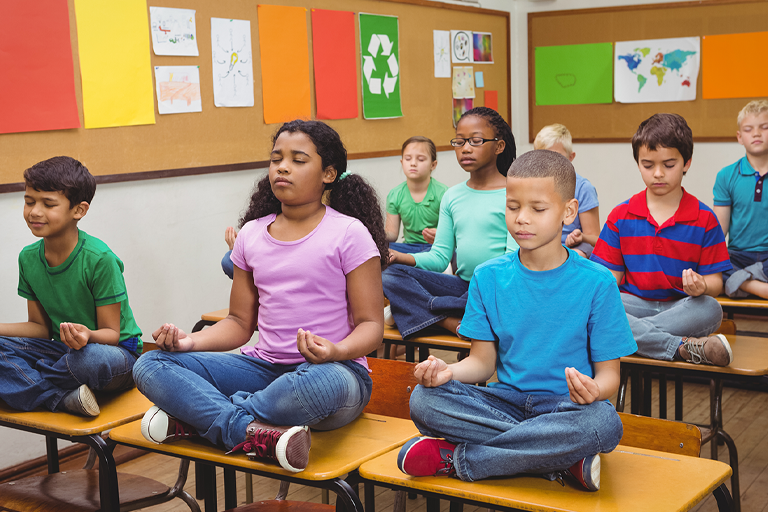
students in classroom doing yoga

Five Ways to Create Trauma-Sensitive Spaces for Young Learners

Hello, amazing educators! Are you ready to create a classroom that feels like a warm hug? As early childhood teachers, you hold the magic wand that can transform a child’s world. Embracing the philosophy of Starr Commonwealth’s 10 Steps to Create a Trauma-Informed Resilient School, let’s explore practical, fun, and inspiring ways to make your learning space a haven of safety, love, and growth.

1. Establish Trust and Cultivate Compassionate Relationships

Think of your classroom as a cozy nest where trust and compassion grow. Greet each little one with a cheerful “Good morning!” and a smile. Use visual schedules to help kids know what to expect next—this can be as simple as a picture board showing snack time, storytime, and playtime. Consistency is key!

Become the friendly detective who uncovers each child’s unique story. Show genuine interest in their lives—remembering their pet’s name can make you a superhero in their eyes.

🌟Spark of Inspiration: Start each day with a circle time where everyone shares something they’re excited about. Keep a “Getting to Know You” notebook where you jot down fun facts about each child. Refer to it often to personalize your interactions.

2. Understand Trauma and Create a Positive Physical Environment

Knowledge is your superpower! Learn about trauma’s effects on a child’s brain and body so you can spot the signs and respond with empathy rather than frustration. Having a curious mindset about what each little learner has experienced or is currently experiencing empowers you to be open and responsive rather than reactive when difficulties arise.

Your classroom should be as inviting as a favorite storybook to support every developing mind. Your thoughtful design choices, such as soft lighting, cozy reading nooks with bean bags, and sensory-friendly corners with calming tools like stress balls and noise-canceling headphones, have a profound impact. This atmosphere promotes safety and healing, which allows the imagination to explore for every child, thanks to your influence!

🌟Spark of Inspiration: Continue investing in your learning journey about trauma and resilience. Share what you learn with your colleagues over a fun lunch-and-learn session. Transform a corner into a “Calm Down Cove” with soft pillows, stuffed animals, and a basket of sensory toys for kids to retreat when they need a break.

3. Implement Caring Discipline and Promote Emotional Literacy

Ditch the time-outs and bring in the “time-ins.” Focus on understanding why a child acts out rather than punishing the behavior. Let’s make this the year where we default to natural and logical consequences to help meet the needs of our children. Equip your little learners with the communication skills they need to express their big feelings. Use emotion cards, storytelling, and role-playing to teach them about different emotions.

🌟Spark of Inspiration: When a child is upset, have a “Peaceful Place” where they can sit and talk about their emotions with you. Play a game where kids pick a card with a face showing an emotion and then act it out. This makes learning about feelings fun and interactive while promoting play.

4. Foster Social Connections and Empower Student Voice

Foster a classroom community where everyone feels like they belong. Encourage teamwork and buddy systems to help kids build friendships and support each other. Let your kiddos be the captains of their little ships. Give them choices throughout the day to help them feel in control and valued.

🌟Spark of Inspiration: Pair up kids for a “Buddy Reading” session where they take turns reading to each other. Allow students to choose their morning activity from a few options like coloring, building blocks, or quiet reading time. This small choice can make a big difference in their engagement.

5. Integrate Mindfulness and Collaborate with Families

Introduce mindfulness as a magical tool for self-regulation. Simple practices like deep breathing and intentional, guided movements can help kids manage stress and stay calm. Build a bridge between home and school. Keep open lines of communication with caregivers and involve them in classroom activities and decisions. Send home resources families can engage in together to promote a healing environment at home, too!

🌟Spark of Inspiration:Start the day with a short “Mindful Moment”—have the kids close their eyes, take deep breaths, and listen to calming music for a few minutes. Host a monthly “Family Fun Night” where parents and children can participate in arts and crafts or storytelling activities. Activities like this strengthen the school community and reinforce the support network for the children.

An Invitation to Transform Lives

Dear educators, you are the heart and soul of your classrooms. By prioritizing trauma-sensitive practices, which involve understanding the impact of trauma on children’s lives and adjusting your approach to meet their needs, you are meeting your students’ universal needs and empowering them to overcome challenges and reach their full potential. Let’s embark on this journey together, fostering environments where every child feels seen, heard, and cherished. Your dedication to creating trauma-sensitive environments will leave a lasting impact, shaping the future one child at a time. Thank you for your commitment, passion, and unwavering belief in the power of education to transform lives.

So, roll up your sleeves, put on your biggest smile, and make every classroom a beacon of hope and healing. Together, we can create a world where every child flourishes, no matter their starting point. Let’s sprinkle some magic in our classrooms and watch our students soar!

Supporting Safe Experiences in Early Childhood Care

Are you passionate about creating a safe and nurturing environment for young children? Well, you’ll love this topic – Supporting a physically and psychologically safe experience in Early Childhood Care. Let’s explore how we can create a warm and welcoming space that supports the growth and development of our little ones! Early childhood educators play a pivotal role in fostering a sense of safety and security for children in their care, especially for those who have experienced trauma or instability in their lives. Here are several strategies with supporting examples educators can use to help children feel safe:

Offer predictability.

Create a predictable environment by establishing and maintaining consistent routines. Knowing what to expect from their day can help children feel secure and grounded. Post visual cues and reminders about the daily schedule. Remind children often about what is coming up next.

First, we will have our morning meeting, and then when you hear the music start to play, we will move on to our centers.

Create a safe environment.

Design the classroom to be a welcoming and safe space. Ensure it is clean, well-organized, and filled with comforting materials. Areas that allow children to have their own space can also help them feel secure. Keep things simple, use color-coding or symbols to label supplies and toys.

If you want to read a book about animals look in the blue baskets. If you want to look at a book about fairies and unicorns look in the green baskets.

Be curious.

Respond and interact with children sensitively. Try to consider, “What has this child experienced?” Be attentive to children’s needs and respond to them caring and empathetically. Showing that you understand and care about their feelings can help build trust. The behavior you observe might be the only way a child can communicate their experience at this age. Does your body need a break right now? Maybe you can walk with me to get a drink of water.

Set expectations.

Set clear and consistent boundaries, rules, and expectations in an understandable way for children. Consistent boundaries can make the world seem more predictable and less frightening. Do not expect children to remember everything after only telling them once or twice. Remind children often about the boundaries, rules, and expectations. During our morning meetings, please keep your hands and feet to yourself.

Empower children.

Encourage autonomy and choice whenever possible. This can help them feel empowered and have a sense of control over their environment and experiences. Provide a limited number of simple choices to provide children with ownership without overwhelming them. Do you want to start with the ABC Center or the Science Center?

Connect.

Build strong, positive relationships with each child. A secure attachment with caregivers can be a significant source of comfort and safety for children. Have fun, play, and laugh with children.

Wow, I see a cat on your shirt, I have a cat at home named Fluffy.

Emotional awareness.

Recognize, name, and validate Feelings. Acknowledge children’s feelings and let them know it’s okay to feel however they do. This validation can help them feel understood and supported.

It is so sad when playground time is over. I know it is hard to stop swinging on the swings because you enjoy it so much.

Share your calm.

Model calmness and patience. Children are very perceptive and can pick up on the emotional states of adults around them. A calm presence can be very reassuring.

Let’s take a deep breath together. In through your nose and out through your mouth. Great. Let’s do that one more time.

Practice safety protocols.

Conduct regular safety drills (e.g., fire drills) in a way that is not frightening but empowering so children know what to do in an emergency.

We are going to practice what to do if our fire alarm ever sounds during that day. You don’t have to worry, there is not a fire now, but we are going to practice. In a few minutes, you will hear the siren and it will be very loud. When you hear the siren, go quickly to the side of the room and get into a line.

Collaborate with families and caregivers.

Work closely with families to understand the child’s background, any specific fears or triggers, and strategies that work well at home. This collaboration can ensure consistency and a deeper understanding of each child’s needs.

Let’s call your grandmother to tell her about your good morning painting with your friend. I think she was right, when you have a morning snack, you feel better.

By implementing these strategies, early childhood educators can create a secure, stable foundation, allowing children to explore, learn, and grow confidently.

Download the free resource below to start building deeper connections with the children in your care!