Using the Circle of Courage Generosity Map to Help Young People Discover Their Capacity to Contribute, Care, and Make a Difference
Every educator has heard some version of it…
“I didn’t make that mess.”
“That’s not mine.”
“Why do I have to help?”
A few papers are scattered on the floor and one student walks right over them. A classmate drops everything they’re carrying and another student watches without moving. There are three chairs left to put away, but the student who has already put theirs back considers the job finished.
It can be frustrating, especially when we’re trying to build a classroom community where everyone contributes. Our first instinct might be to respond, “Just help. It will take you two seconds.”
But there may be a more useful question hiding inside these moments: How does a young person learn to recognize that something doesn’t have to belong to them for them to care about it?
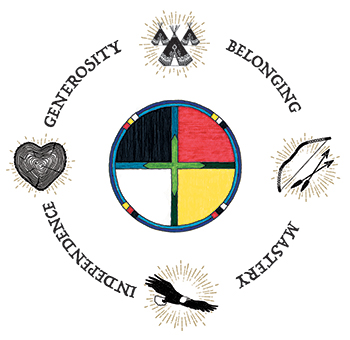
That question brings us to Generosity, one of the four universal growth needs within the Circle of Courage.
Generosity is more than sharing possessions or doing something nice when asked. It is the developing understanding that I have something of value to offer, my actions affect other people, and I can contribute to something larger than myself.
And just like Belonging, Mastery, and Independence, Generosity is something young people need opportunities to experience and practice.
Generosity Is Bigger Than Giving Things
When students hear generosity, they may immediately think about donating money, sharing a snack, or giving someone a gift. Those things count, of course, but through the Circle of Courage lens, Generosity is much richer.
A young person can be generous with patience, humor, encouragement, knowledge, time, or attention. They can include someone sitting alone, help a younger student, share an idea, explain an assignment, clean something they didn’t make messy, or notice when another person could use a hand.
And not every student will come to us equally ready to do those things.
For some young people, sharing comes naturally. Others may have learned to guard what belongs to them. Some may be so focused on meeting their own needs that noticing someone else’s is difficult. A student may have had few opportunities to experience what it feels like to be genuinely needed by a community. And sometimes “That’s not my problem” simply means a young person hasn’t yet discovered the connection between what happens around me and the kind of community I help create.
That’s not a character flaw. It’s an opportunity for growth.
Our job isn’t simply to tell students to be generous. We can help them discover what generosity already looks like within them and give them meaningful opportunities to practice it.
Helping Young People See What They Bring
This is where the Generosity Map becomes especially useful.
Schools spend a great deal of time identifying what young people need from us—and rightly so. We ask what support a student needs, what skill needs strengthening, or what intervention might help. The Generosity Map invites another question alongside those:
What does this young person already have to give?
That shift can be powerful, particularly for students who are accustomed to experiencing themselves primarily as recipients of adult help, correction, or intervention.
The student who needs support can also offer support. The young person who struggles academically may be the first to notice when someone feels left out. The student who frequently finds themselves in conflict may have a remarkable ability to make others laugh. A child who doesn’t see themselves as a leader may be patient enough to teach a classmate something new.
Generosity allows young people to experience themselves not only as people who need something from their community, but as people their community needs, too.
The Generosity Map helps make those strengths visible by inviting students to reflect on the ways they already show generosity, the people and places where they experience it, and the strengths they can use to contribute to others.
Three Ways to Bring the Generosity Map to Life
Like the other Circle of Courage Maps, the Generosity Map is intended to become more than a completed activity. These maps create opportunities for reflection, conversation, and authentic trust between adults and students and among peers themselves. Here are three simple ways to bring that reflection into everyday practice.
1. Start with “Someone once gave me…” Before students complete their maps, tell a generosity story of your own—but choose something that couldn’t be wrapped in a box. Maybe a teacher gave you another chance. A colleague gave you encouragement when you were overwhelmed. A friend gave you their time when you needed someone to listen. Then ask students, “What is something someone has given you that didn’t cost anything?” Their answers can broaden the definition of generosity before they begin exploring their own map. Then turn the question around: What might you already give to other people? Suddenly humor, patience, encouragement, listening, including, helping, and simply showing up all become things of value.
2. Become generosity detectives. After students explore their own generosity strengths, invite them to spend a week looking for those strengths in one another. Keep it simple: Catch someone contributing when they didn’t have to. Maybe someone picks up the pencil that wasn’t theirs, moves over to make room at lunch, explains directions without being asked, or notices that another student is having a rough day. Bring those observations back to the map and ask: What did you notice? What did that person give? What strength did it take? This is especially powerful for the student who typically says, “But I didn’t make the mess.” Instead of lecturing about why they should help, we’re surrounding them with opportunities to notice what happens when people choose to care beyond what is technically “theirs.”
3. Ask, “What does our community need from us?” Once students have identified what they bring individually, turn the Generosity Map outward. Ask the class, advisory group, team, or youth program to notice one small need around them. Maybe new students need help feeling welcome. A shared space could use more care. Younger students might benefit from mentors. Perhaps classmates simply need more encouragement. Then ask, “Which strengths on our Generosity Maps could help?” Keep the response small and student-led. The goal isn’t to launch a huge service project. It is to help young people experience the connection between something I have and something we need.
From “Not Mine” to “I Can Help”
There is something deeply human about knowing our presence matters.
Think about the difference between telling a student, “Go help them,” and saying, “You’re really good at making people feel included. I think you could help here.”
One gives an instruction. The other communicates value.
For young people who spend much of their day being told what to do, corrected for what went wrong, or reminded of what they still need to learn, being genuinely needed can be transformative.
Generosity doesn’t mean expecting young people to care for everyone around them, nor does it mean ignoring their own needs. Healthy Generosity has boundaries. Young people deserve to receive care just as much as they need opportunities to offer it.
But we can help expand the circle of what they notice.
That’s not mine can slowly become I could pick it up anyway.
That’s not my problem can become Maybe I can help.
Why should I? can eventually become Because this is our classroom too.
Those are small shifts, but they’re meaningful ones.
What Did My Students Give Today?
At the end of a long school day, it’s natural to remember the moments that demanded our attention—the conflict, the unfinished assignment, the behavior we redirected.
What if we also ended the day with another question:
What did my students give today?
Who gave patience? Who made room? Who offered encouragement? Who helped when they didn’t have to? Who noticed someone else?
The Generosity Map gives us a place to begin capturing those answers and, like the other Circle of Courage Maps, can be revisited as students discover new strengths and new ways of contributing.
Maybe a student begins the year believing they don’t have much to offer. Then the evidence starts accumulating. A peer remembers their encouragement. A teacher notices their patience. Someone asks for their help. They choose to pick up the thing that wasn’t theirs.
And little by little, something changes.
The question is no longer only, “What do I have to do?”
It begins to become:
“What can I give?”
And perhaps that is one of the greatest gifts of Generosity itself—helping a young person discover that simply by bringing their strengths, attention, care, and willingness to the people around them, they have the ability to leave a place a little better than they found it.