

Many of us have glitter jars in our classrooms, learning spaces, calm corners, or offices. It is one of my favorite regulation tools, but not just because it’s fun to watch the glitter swirl. This simple tool is also a beautiful way to talk about regulation.
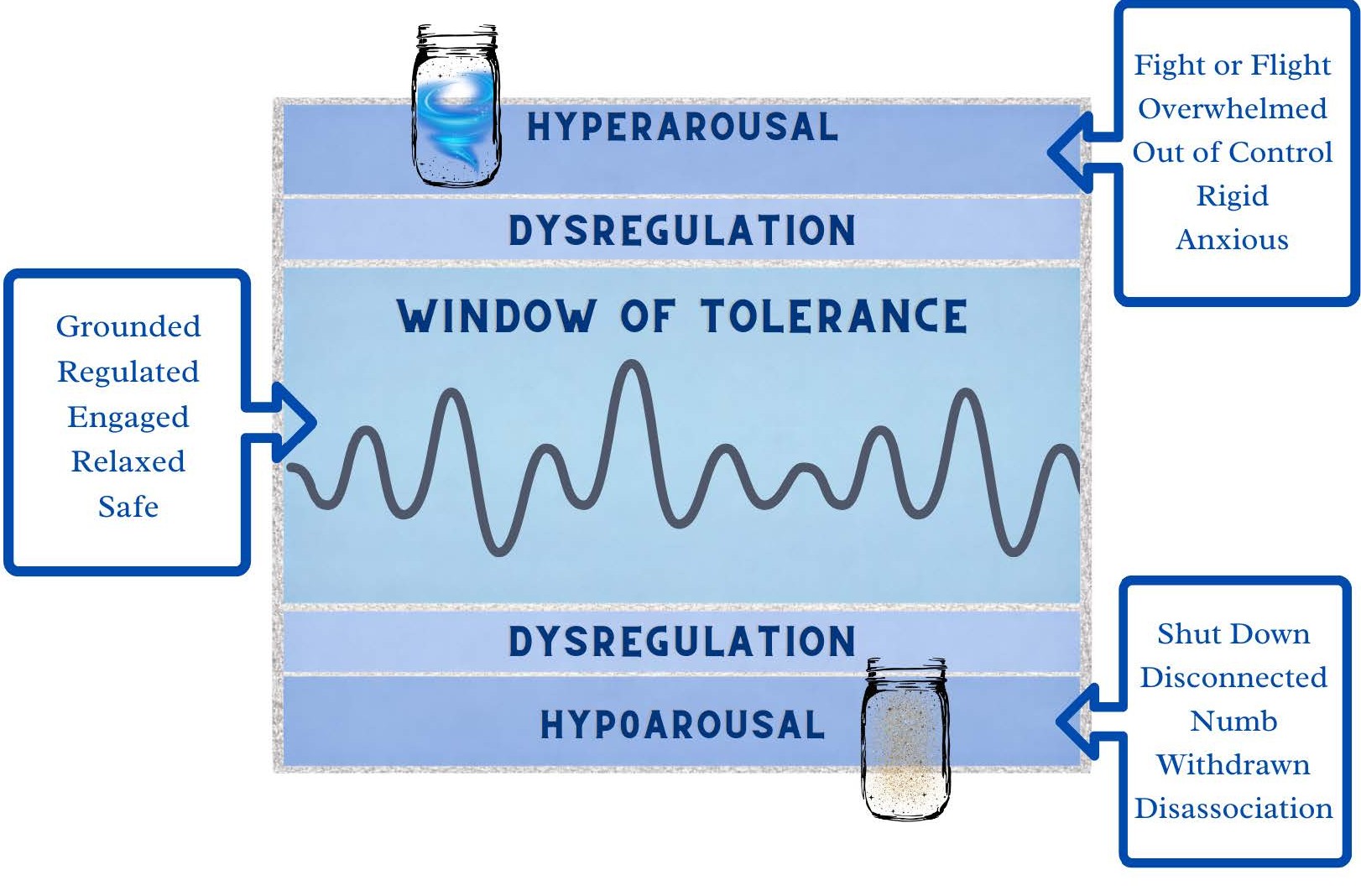
The jar is like our mind, and the glitter represents our thoughts, feelings, and emotions. Things happen that can shake our jar, or some days, we wake up feeling a little more sensitive or prone to being shaken. Things like running late, someone making a mean comment, feeling confused about a lesson, spilling our coffee or tea, or getting cut off in traffic. The list goes on.
When we shake our jar, we can see the glitter swirling around. While it is beautiful, it is very difficult to see clearly through the jar. When we are dysregulated, it can be hard to think clearly, see a situation objectively, and make healthy choices. But when we pause and practice mindfulness or other self-regulation strategies, we can give the glitter time to settle to the bottom. The glitter is still there! Our thoughts, feelings, and emotions are still there, but we may be in a better place to manage them and decide what to do next because we can see more clearly.

Stefanie Lachenauer is an educator with nearly 20 years experience and has been sharing mindfulness with students in and out of the classroom since 2013. As a frequent conference and professional development speaker, Stefanie presents on topics in education ranging from trauma informed practices, mindfulness, social emotional learning, and other neuroscience backed practices. She is passionate about supporting students in learning about and appreciating themselves while empowering them to create change in their lives and the world.
Stefanie is also New Jersey’s 2025 State Teacher of the Year and a Starr Certified Trauma and Resilience Coach and Trainer.
Life will bring experiences that shake our jar, and teens who have experienced trauma may find themselves more easily shaken by certain situations. Understanding our own regulation, checking in with ourselves, and learning regulation tools can support us in making healthy choices and getting our brains and bodies ready to learn and engage with life again.
In my book, Let the Glitter Settle: Mindfulness for Teens, I share mindfulness tools that can help support regulation and allow teens to explore how these practices feel for them. Trauma-sensitive mindfulness gives teens agency and choice in their practice, including how they experience their bodies in space.
This book offers opportunities for reflection and journaling so teens can connect their experiences to their own lives.
It’s also important to remember that a practice may feel one way one day and different the next. Each day’s glitter swirl can be a little different, and the time and process it takes to settle can also change.
The next time you are working with a teen, I invite you to share the glitter jar metaphor:
How is your mind feeling? Is it swirling?
What might help that glitter settle?
Remember that as adults who support teens, our own regulation is incredibly important. Our ability to manage our own emotions can play an important role in supporting a teen who is struggling. Before we focus on sharing strategies with teens, I encourage you to consider which strategies you are using in your daily life. How do you let your own glitter settle?
Let the Glitter Settle: Mindfulness for Teens is free on Kindle on November 3 or 15% OFF in the Starr store using code GLITTER15!
Check out stefanielachenauer.com for tips on making a glitter jar.

