
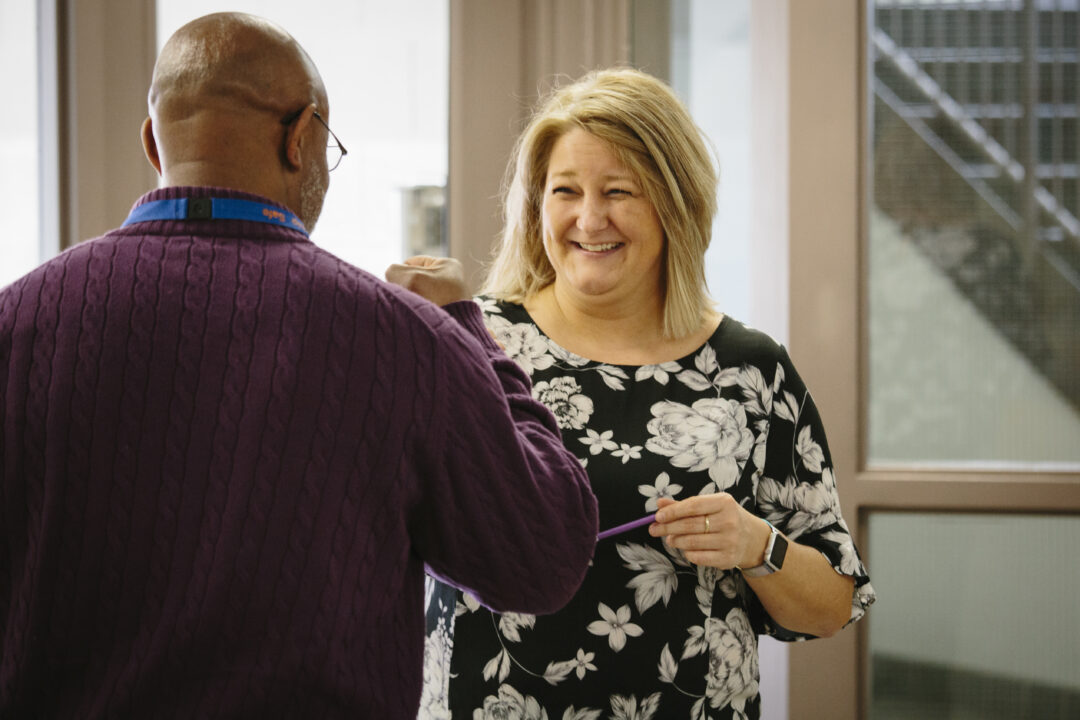
A Back-to-School Reflection and 5 Simple Ways for School Leaders to Help Staff Feel Seen
There’s something about the beginning of a school year. The building starts to come alive again. People are catching up in the hallways, classrooms are being put back together, and there’s that familiar mix of excitement, hope, nerves, and here we go again. And while we spend so much time thinking about how students will feel when they walk through the doors, I think it’s worth asking another question:
How do we want our staff to feel when they walk through those same doors?
School leaders, this is for you—but it isn’t another list of things you need to add to your plate. Your plate is already full. You’re carrying staffing concerns, schedules, student needs, parent questions, district expectations, and a hundred little things most people will never know you handled.
You deserve to feel seen, too.
That’s part of what we mean when we talk about trauma-informed, resilience-focused schools. We can’t only think about belonging, regulation, relationships, and emotional safety when we’re talking about students. The adults in the building need those things, too—including the people leading it.
And sometimes supporting people is much simpler than we make it. It starts with seeing them.
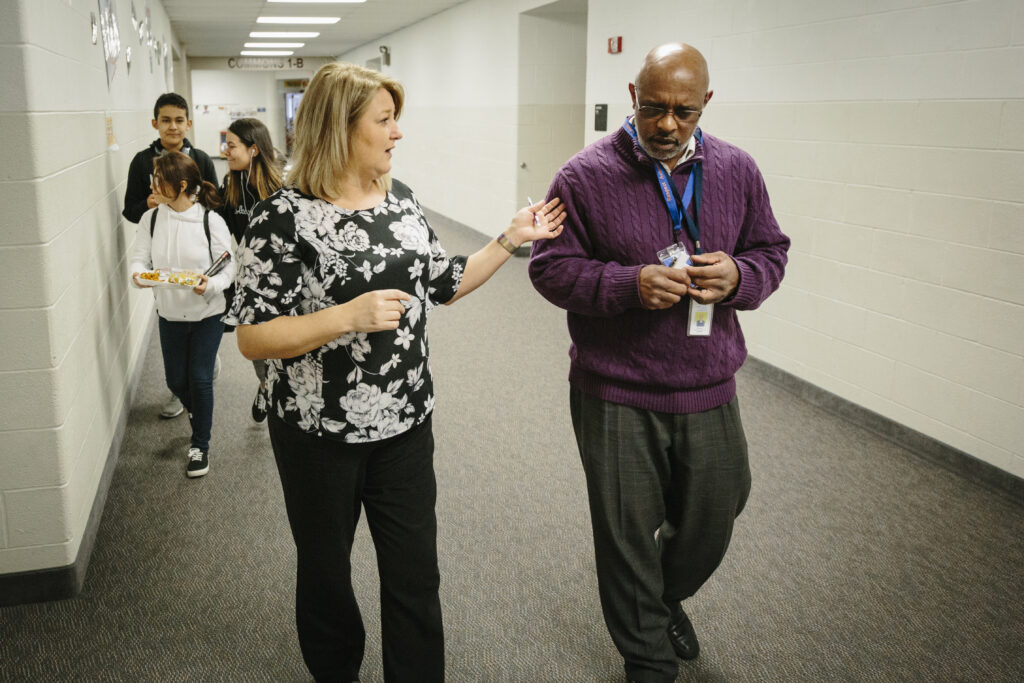
Noticing the teacher standing at the door greeting every student even though you know their morning started rough. Catching the para who quietly helped a student regulate before things escalated. Recognizing the secretary who has already solved twelve problems before 8:15. Checking in with the staff member who seems a little quieter than usual. And then actually saying something.
That’s the same thinking behind so much of what we already know works through PBIS, restorative practices, and SEL. Relationships matter. Specific positive feedback matters. Belonging matters. People are more likely to thrive in places where they know they are valued members of the community.
We do this for kids. We can do it for each other, too.
5 Simple Ways to SEE Your Staff This Back-to-School Season
- Catch adults doing good, too. We talk about recognizing the behaviors we want to see in students. Try it with adults. Skip the generic “great job” and name what you noticed: “I saw how you welcomed that student back after a tough day yesterday. You gave them a fresh start.” That kind of feedback reminds people that the things they do every day matter.
- Start with a circle, not a slideshow. Before jumping straight into schedules, expectations, and back-to-school logistics, give people a chance to reconnect. Try a quick opening circle: What are you looking forward to this year? What do you need from this team when things get hard? What is something bringing you joy right now? Ten minutes of connection can set a very different tone for everything that follows.
- Ask people how they want to be celebrated. Not everyone wants their name announced at a staff meeting. Some people love public recognition; others would treasure a handwritten note much more. Ask. Then keep track of the answers. Seeing people also means knowing how they want to be seen.
- Do a “just because” walkthrough. Walk into classrooms without evaluating anything. Don’t bring a clipboard. Don’t look for what needs correcting. Just look for something good. Leave a sticky note, send a quick text, or mention it later. Imagine knowing your administrator might walk into your classroom simply because they enjoy seeing you and your students doing good work.
- Make joy part of the plan. Bring the coffee. Play the music. Start the meeting with something that made everyone laugh. Celebrate surviving week one. Protect a planning period when you can. Send someone home when the work can truly wait until tomorrow. Joy and rest aren’t extras in resilience-focused environments. They help us keep going.
None of this requires a committee, a new initiative, or another thing to implement with fidelity. It requires us to notice each other.
And administrators, please find someone who notices you, too. Find the colleague you can call after that meeting. Let your leadership team support you. Take the walk outside. Eat lunch before 3:00. Celebrate the problem you solved instead of immediately moving to the next one. You don’t have to model having everything together. You can model connection, boundaries, asking for help, laughter, reflection, and taking care of yourself.
Our students are watching how adults experience school, too. If we want schools where children experience belonging, let’s build places where adults belong. If we want students to know their strengths, let’s remind our educators of theirs. If we want kids to ask for help, let’s create adult cultures where asking for help is normal. And if we want young people to know they matter, let’s make sure the people showing up for them every single day know they matter, too.
As you open the doors to another school year, maybe that’s a good place to begin: See your people. Know your people. Celebrate your people. And make sure someone is doing the same for you.
Here’s to a school year where both students and the adults who care for them have the chance to feel safe, connected, supported, and seen.

