
A Trauma-Informed Reflection on Maintaining Connection
The last day before a school break always had a certain kind of energy.
You could feel it in the room.
Students were buzzing. Backpacks were already half-packed. Conversations about trips, cousins, sleepovers, and video games floated across the classroom while we tried to squeeze in one more lesson before the final bell.
And while many students were excited for the days ahead, I remember always feeling a quiet pause in those moments too.
Because as educators, we know something important: for some children, school isn’t just a place for learning. It is a place of predictability, connection, and safety.
In trauma-informed classrooms, we understand that relationships are not simply part of the environment—they are the environment that allows the brain to feel safe enough to learn.
So every year before a break, I tried to do something small but intentional.
I tried to make sure my students left carrying a reminder that they belonged.
Sending Students Out the Door With Belonging
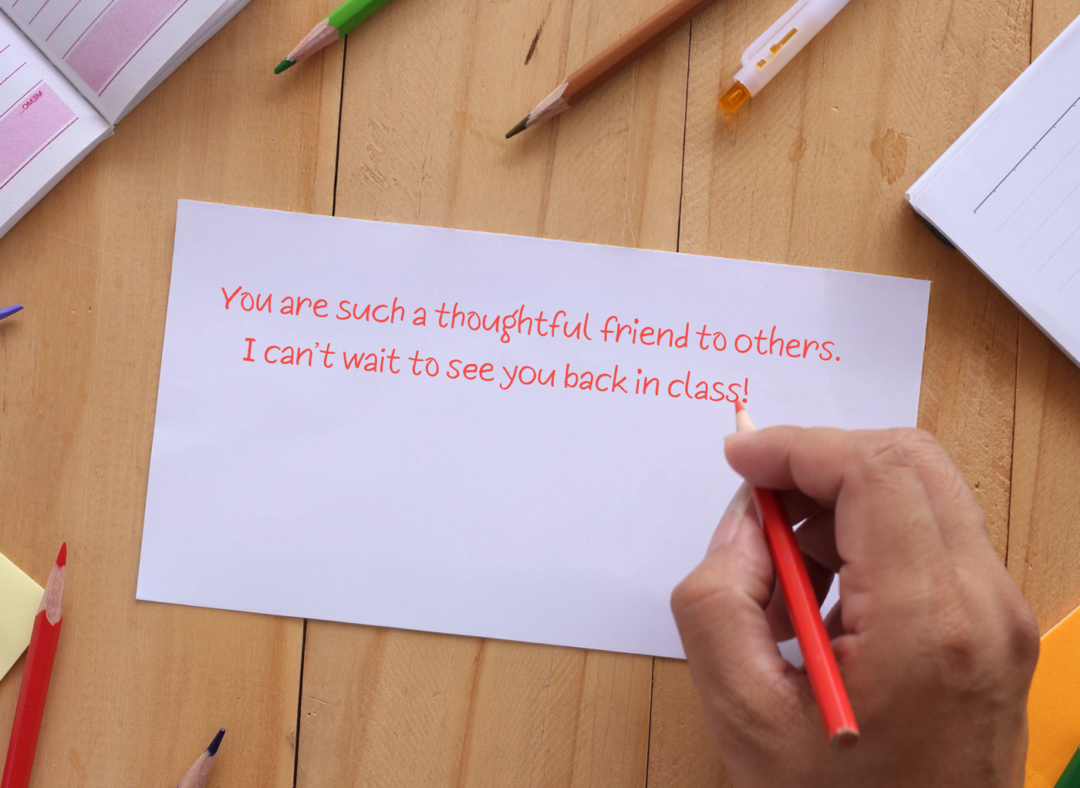
Before the final bell, I would often pass out small folded hand written notes to each student.
Inside was a quick message—nothing long or elaborate. Just something I had noticed about them.
“Your curiosity makes our classroom stronger.”
“You are such a thoughtful friend to others.”
“I appreciate the effort you put into learning new things.”
These notes took only minutes to write, but they carried something powerful. Through the lens of the Circle of Courage, belonging is the foundation for healthy development. When young people feel seen and valued by the adults around them, their nervous systems settle and their capacity for resilience grows.
Sometimes the most meaningful intervention is simply making sure a child knows:
Someone at school notices me.
Giving Students Something to Carry With Them
I also liked sending students home with something playful and reflective—never homework, but something that invited them to stay curious about their world.
Sometimes it was a “Break Bingo” card filled with simple experiences:
Spend time outside.
Help someone in your family.
Try something new.
Read something you enjoy.
Do one kind thing for another person.
Other times it was a small reflection prompt asking students to draw or write about one moment from their break when they felt proud, peaceful, or joyful.
These small invitations nurtured the other pillars of the Circle of Courage—mastery, independence, and generosity—while gently reinforcing that their growth continued beyond the classroom walls.
Leaving Students With a Voice of Connection
One thing trauma-informed educators recognize is that co-regulation travels through relationships.
Students carry the voices of trusted adults with them.
Before a break, I would sometimes record a short message for students on our classroom platform. Nothing formal—just a quick reminder that I was thinking about them and looking forward to hearing their stories when we returned.
For students navigating adversity, unpredictability, or stress, even a small moment of connection like this can be regulating. It reminds them that the relationship continues, even when school is temporarily paused.
And relationships are often the strongest protective factor a young person has.
Offering Tools for Regulation and Resilience
School routines provide more than academic structure—they provide emotional rhythm and safety through predictability.
During breaks, that rhythm can shift dramatically. So I liked to give students a short list of simple ways they could reset if things felt overwhelming.
Take five slow breaths and notice what you see and hear around you.
Step outside and listen to the sounds of nature.
Stretch your arms overhead and take a deep breath.
Write down one thing you did well today.
Help someone in your home with something small.
These practices might seem simple, but they support what trauma-informed educators know well: stressed brains need regulation before they can access reflection, connection, or learning.
Helping students build these skills strengthens resilience that lasts far beyond the school day.
Beginning Again When Students Return
The first day back after a break was never a day to rush straight into academics.
Instead, we would start in a circle.
Students shared small pieces of their time away—something funny, something difficult, something they learned, or something they enjoyed.
These conversations rebuilt the classroom community and helped students transition back into the rhythm of learning.
Because in trauma-responsive environments, connection always comes before content.
The Quiet Power of Small Gestures
Looking back, none of these moments required elaborate planning or extra hours of work.
They were small acts.
A handwritten note.
A playful invitation to explore the world.
A message waiting for students online.
A few minutes of conversation when they returned.
But small moments are often where belonging lives.
And belonging is not a minor detail in education. It is one of the most powerful protective factors in a young person’s life.
When students leave school carrying the quiet knowledge that someone there sees them, values them, and is waiting for their return, something remarkable happens.
The connection doesn’t break.
It stretches.
And when students walk back through the classroom doors, they aren’t just returning to a place of learning.
They are returning to a community that never stopped holding space for them.

