
Honoring Children’s Grief Awareness Day | November 19, 2026
The smell of cinnamon drifting through the kitchen. A familiar song playing in the car. The soft weight of a favorite blanket. An empty chair at a table that once felt full. Sometimes, it takes only a moment for a memory to return. For a child who has experienced the death of someone they love, these ordinary sensations can carry extraordinary meaning. A familiar scent might bring comfort one day and sadness the next. A holiday tradition that once inspired excitement may suddenly feel unfamiliar. And sometimes, children cannot explain any of it.
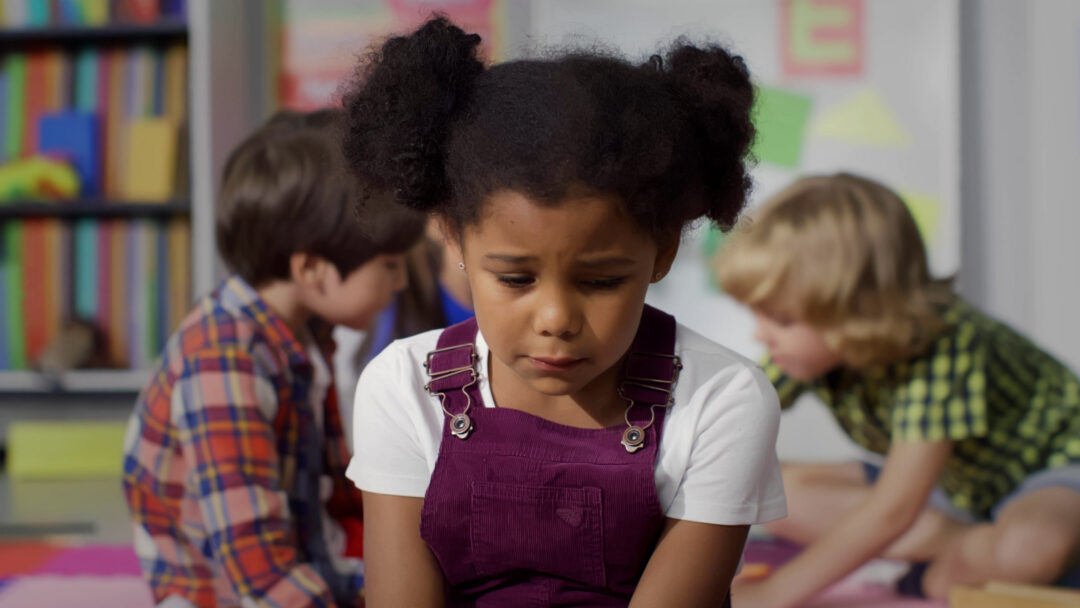
They may become unusually quiet, restless, frustrated, or withdrawn. They might ask the same question repeatedly, return to playing moments after expressing sadness, or seem unaffected by a loss that has changed so much of their world. What if, instead of expecting grief to look or sound a certain way, we became more curious about how children experience it? On November 19, Children’s Grief Awareness Day invites us to become *Champions of Hope*, recognizing the importance of supporting grieving children through understanding, connection, and care.
Grief Is More Than an Emotional Experience
Think about a memory that feels especially meaningful to you. Perhaps you can still hear someone’s laugh, remember the warmth of their embrace, or picture the sunlight coming through a window in a place you once called home. Our experiences are woven together with sensory information: sounds, smells, textures, images, movement, and physical sensations. These details shape how we remember the people and experiences that matter to us.
For grieving children, sensory reminders can be especially powerful. A familiar sound may bring a sudden wave of sadness. A treasured object may offer comfort and connection. These responses can involve not only emotions but also the body’s stress-response systems. At Starr Commonwealth, we recognize that trauma is a sensory experience. Overwhelming experiences can influence how the brain and body respond to reminders of what happened, sometimes before a person can explain their reaction. Not every experience of grief is traumatic, and not every grieving child develops trauma-related symptoms. Yet grief and trauma can overlap, particularly when a death is sudden, frightening, or accompanied by other overwhelming circumstances. Understanding this connection changes how we support children.
Rather than relying entirely on conversations about feelings, we can offer opportunities for movement, creativity, sensory exploration, and supportive relationships. These experiences provide additional ways for children to express themselves, find comfort, and feel connected without the pressure of finding the right words. The goal isn’t to make sadness disappear. It’s to create experiences of safety, choice, and connection that help children navigate difficult emotions at their own pace.
Three Small Ways to Be a Champion of Hope
Supporting a grieving child doesn’t always require a carefully planned intervention. Sometimes, a few minutes of creativity, a familiar object, or a walk together can offer meaningful connection. Here are three simple ways to help children explore memories and emotions through sensory experiences.
1. If a Memory Had a Color…
Invite a child to think about a favorite memory and ask, “If that memory had a color, what color would it be?” Perhaps they choose yellow for sunshine at Grandma’s house, blue for afternoons spent fishing, or green because it reminds them of a favorite place. Offer crayons, markers, or paint and invite them to create something that represents the memory. There’s no need for a perfect picture or an explanation. Creative expression gives children another way to explore their experiences while maintaining control over what they choose to share. It can also remind them that meaningful memories and connections remain part of their lives.
2. A Little Piece of Comfort
A smooth stone, a soft piece of fabric, a photograph, or a favorite keepsake can provide a tangible connection to something meaningful. Invite children to choose a small object that brings them comfort or reminds them of someone they love. Encourage them to keep it somewhere accessible and return to it whenever they choose. Familiar textures and meaningful objects may provide grounding, predictability, and comfort when emotions feel difficult to navigate.
3. Take the Conversation Outside
Sometimes, meaningful connection happens when we stop trying to have a conversation. Take a walk together. Notice the sound of leaves beneath your feet, the cool air against your cheeks, or the colors changing around you. Invite the child to share what they notice, but don’t require a response. Perhaps a conversation unfolds naturally. Perhaps you simply enjoy the walk together. Gentle movement, sensory awareness, and shared experiences can support regulation and strengthen relationships without placing pressure on children to talk about their grief.
Remember: Every child experiences grief differently. Offer choices, follow their lead, and recognize that what feels comforting to one child may not feel the same to another.
Hope Doesn’t Mean Leaving Grief Behind
There is a tendency to imagine healing as a journey away from sadness, as though resilience means eventually reaching a place where loss no longer hurts. But resilience is not the absence of grief. And hope is not the absence of sadness. A child can miss someone deeply and still experience joy. They can carry difficult memories while discovering new strengths, relationships, and possibilities.
At Starr Commonwealth, our resilience-focused approach reminds us that children need experiences of belonging, opportunities to recognize their strengths, and the freedom to express themselves in ways that feel meaningful to them. As the holiday season approaches, familiar traditions may bring both comfort and the ache of someone missing. We can honor those experiences by saying a loved one’s name, inviting children to share memories, or simply being present when words feel too difficult.
Being a Champion of Hope doesn’t require perfect words or grand gestures. It means listening, noticing, offering choices, and remaining connected as children’s needs change over time.
Healing doesn’t require children to forget the people they love or leave their grief behind. It means helping them discover that love, loss, connection, and hope can exist together.

