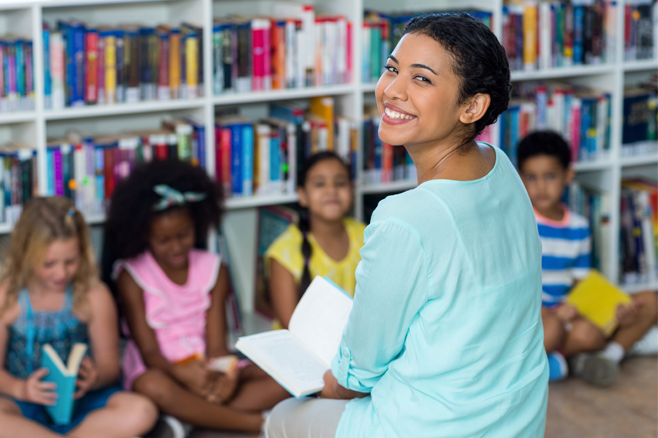
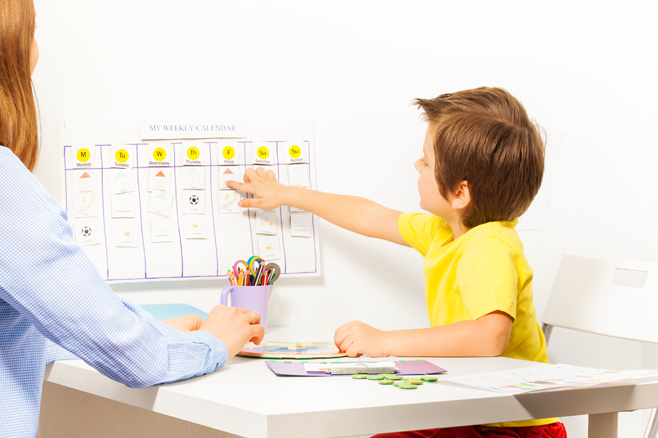
Many students and educators are back to school in various formats. In-school, virtual, and hybrid variations of teaching and learning for many have made scheduling and establishing a routine a challenge. During the pandemic, while some days are... Continue reading.
The APA Stress in 2020 Survey and Overlapping Symptomology
The American Psychological Association’s 2020 Stress in America survey revealed that Americans are experiencing a significant and negative impact as a result of the COVID-19 pandemic. Americans of all ages are struggling to cope with the... Continue reading.
Starr Commonwealth Awarded Community Grants to Provide COVID-19 Relief to Marshall Public Schools
MARSHALL, MI – The Marshall Community Foundation Youth Advisory Council through the Marshall Youth Fund has awarded Starr Commonwealth, in partnership with Marshall Public Schools, a $10,000 grant to provide services for staff and students in... Continue reading.
Victim vs Survivor Thinking
One of the hallmarks of trauma work is to help facilitate movement from victim-thinking to survivor-thinking. This is why we spend just as much time processing trauma themes as we do promoting experiences where children can feel safe, empowered... Continue reading.
Students as Resources: Navigating Virtual Learning
Educators have reported some surprises in virtual education. Some students who were disengaged during in-person school are actively engaging virtually. Not all students who were actively engaged in-person are engaged virtually. Let’s remember... Continue reading.
8 Quick Ways for Youth to Practice Gratitude
Gratitude is thankful appreciation and acknowledgement of the goodness a person receives or experiences in their life. In positive psychology research, gratitude is strongly and consistently associated with greater well-being. Gratitude helps... Continue reading.
Emotional Awareness and Regulation
The use of body maps to help with body scans is a great way to teach and practice emotional awareness. It is very difficult to manage emotions and behavior if you don’t know how to notice and pay attention to the sensations your body provides... Continue reading.
Connection and Vulnerability
The need and desire to connect with others remains essential. The prolonged need to physically distance, teach, learn and work remotely coupled with the inability to visit friends and family due to travel restrictions and other necessary... Continue reading.
Finding Purpose, Meaning, and Value
Finding meaning, purpose, and value in a time of significant change and loss is a step in both the grieving and healing process. We might be grieving the loss of a family member or friend, the loss of school and work routine, and everything... Continue reading.
Just Breathe!
When you don’t know what to say…just BREATHE. Part of resilience is having a voice, choice and the ability to help ourselves feel better when overwhelming feelings come our way. The Circle of Courage refers to this universal need as... Continue reading.
Hope: Building Resilience as a Survivor
If we can face hard things or times with a sense that there’s something we can do about them, life becomes easier to live. In a time where we are all feeling quite overwhelmed this can be tough. But, hope can truly be the catalyst to get us to... Continue reading.
Hope: The Pathway to Resilience
What we can all use now is a little bit of hope! The new “now” is hard, it is confusing and it is unpredictable. For the past couple of weeks we have talked about the Circle of Courage and a quest to provide resilience building and nurturing... Continue reading.
Building Mastery in Your Classroom
Mastery is reaching our potential with supports. Mastery is NOT perfection. The second universal need according to the Circle of Courage resilience model is MASTERY. When we talk about mastery we are not talking about perfection but rather the... Continue reading.
Self-Awareness to Regulate Stressors
We are now well into the school year, and everyone has a different scenario–in-person, hybrid, virtual and some teaching one way while their own children are learning a different way. The new “now” is, no doubt, filled with some level of... Continue reading.
Fostering Connections through Who I Am Worksheets
School connectedness is a significant protective factor for all students in preventing substance abuse, violence, absenteeism, suicide emotional problems and eating disorders. Students who feel connected to their school are also likely to have... Continue reading.