There’s a moment that happens this time of year. It’s subtle at first. You’re moving through your day—supporting, guiding, redirecting, showing up the way you always do—and then something small tips the scale.
Maybe it’s a student shutting down.
A conversation that didn’t land the way you hoped.
An email you don’t have the energy to answer.
A decision you’ve made a hundred times before that suddenly feels heavy.
And you notice it—not dramatically, but quietly: I am tired in a way that sleep isn’t fixing.
If you work with young people—in classrooms, counseling spaces, community programs, homes, clinics—you probably know this feeling.
Because the work isn’t just what you do. It’s what you hold.
You hold stories. You hold behaviors that are really stress responses. You hold systems that don’t always make it easy to do what you know is right. You hold hope for young people, even on the days they can’t hold it for themselves. And somewhere along the way, without meaning to, you start holding it all in your own body. We don’t talk about that part enough.
We talk about strategies. We talk about outcomes. We talk about data and plans and interventions. But we don’t always talk about what it costs to care this deeply, this consistently, in systems that are often stretched thin.
So let’s say it plainly, without fixing it too quickly: Burnout is real. And it makes sense.
Not because you’re not resilient enough, but because you’ve been operating in a constant state of giving—attention, regulation, decision-making, empathy—often without enough space to receive those same things back. From a brain and body perspective, this matters.
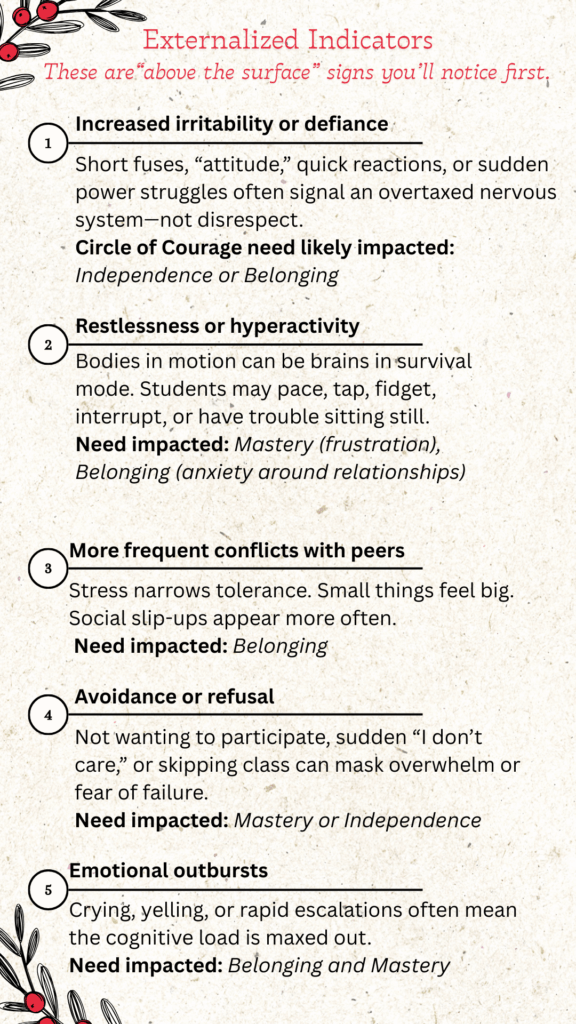
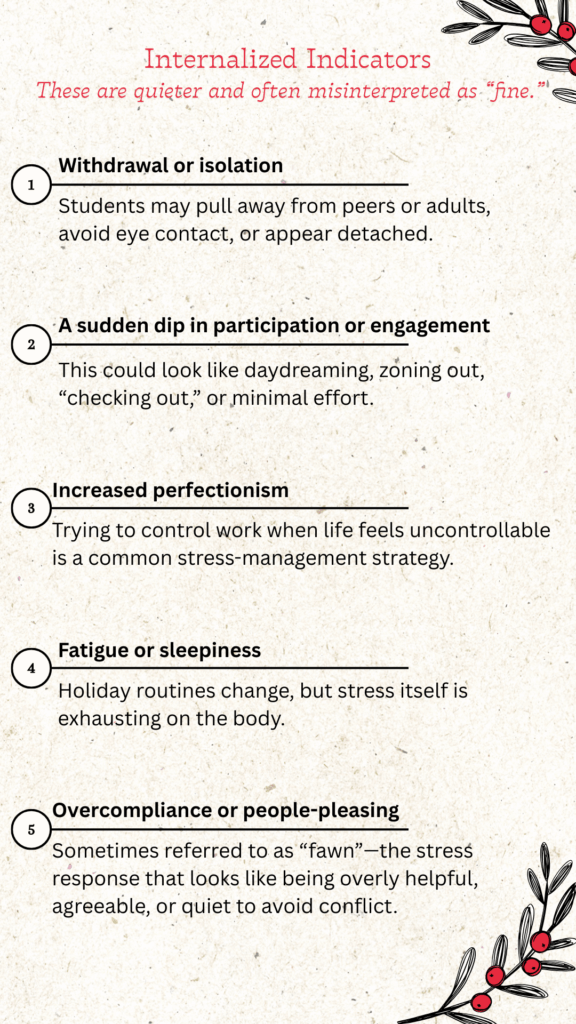
When we are exposed to prolonged stress—especially relational stress, the kind that comes from supporting others—our nervous system adapts. It shifts into patterns of survival: staying alert, scanning, pushing through, overriding signals. Over time, that can look like exhaustion…or numbness…or irritability…or just a quiet sense of disconnection. And here’s the part that often goes unnoticed:
The same brain that helps you connect, problem-solve, stay patient, and think flexibly is the brain that becomes harder to access when you are depleted.
So if you’ve found yourself thinking, I don’t feel like myself lately… you’re not imagining it. Your system is asking for something.
I remember, in my own work, there were days when I could feel it before I could name it. I would move from one moment to the next—supporting a student, then another, then another—until I realized I hadn’t taken a full breath all morning. Not really. My shoulders would be tight. My responses a little shorter than I intended. My mind already three steps ahead, bracing for what might come next. And the shift didn’t come from a big change. It came from something almost too simple to matter: I paused.
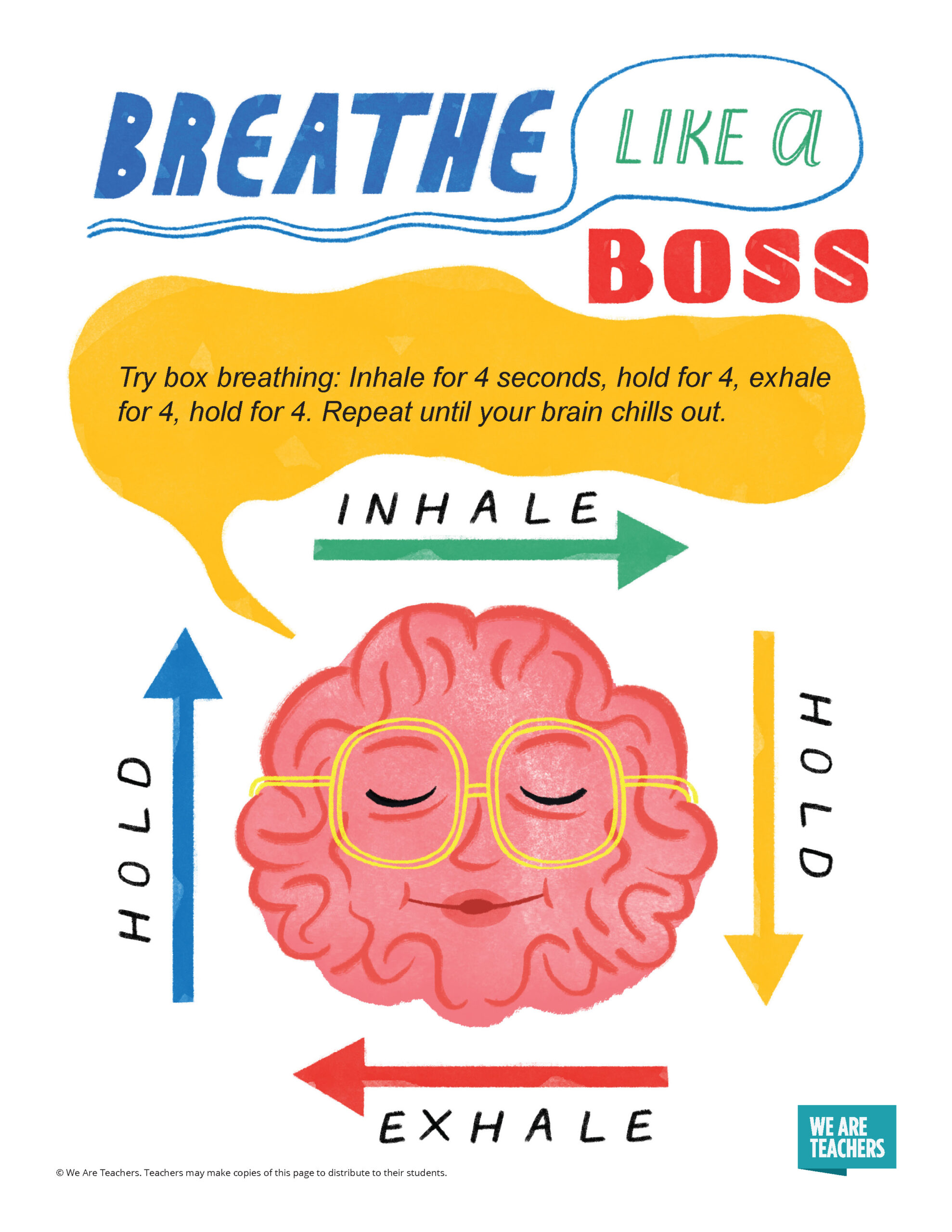
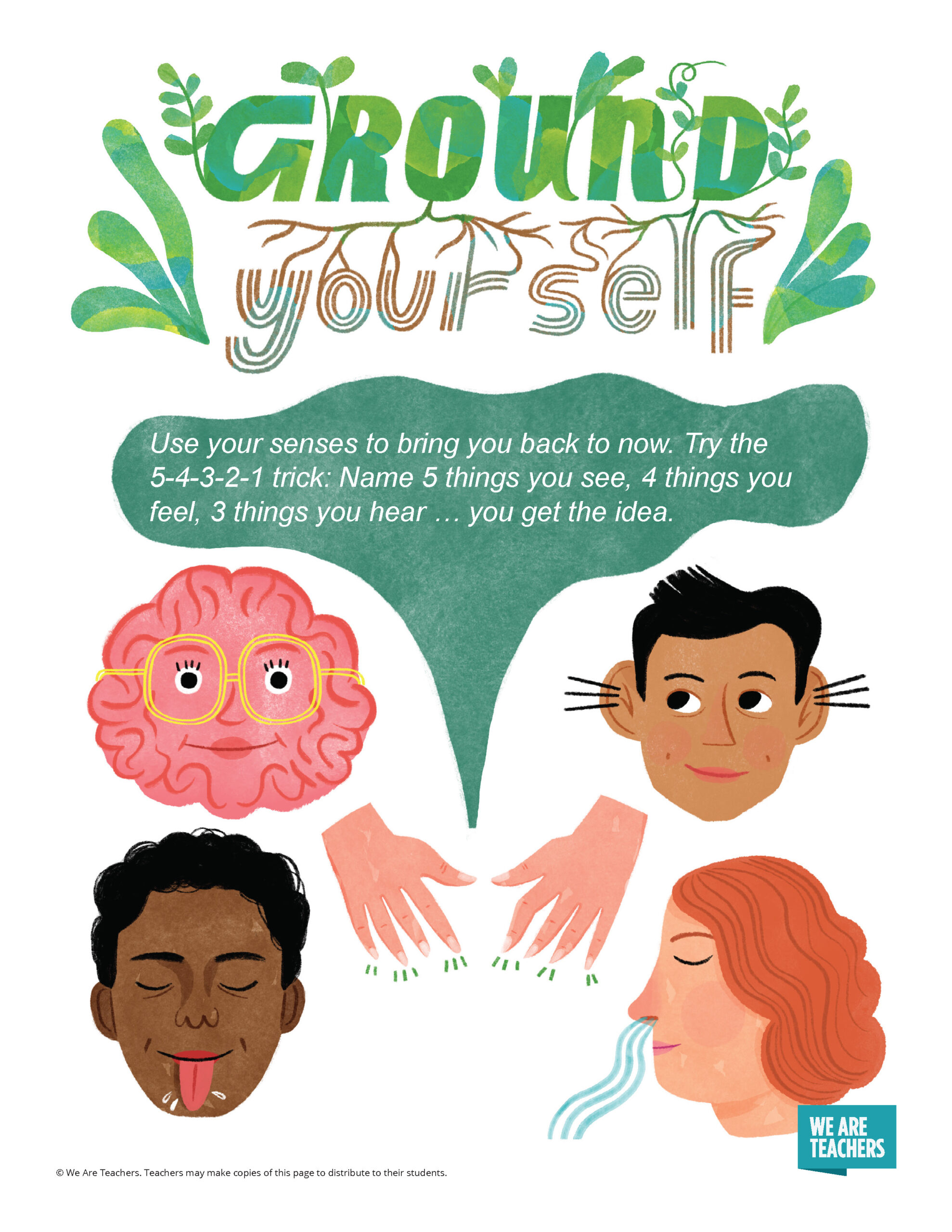
Just long enough to notice my breath.
To drop my shoulders.
To remind my body: you are safe in this moment.
It didn’t solve everything. But it gave me access back to myself. That’s the kind of restoration. Not adding more, not doing it perfectly, but returning—again and again—to small moments that help your system come back online.
Sometimes restoration looks like regulating before you respond. Not because the situation isn’t important, but because you are.
A slower exhale before answering.
A hand resting on your desk or your heart.
A quiet internal cue: I don’t have to rush this.
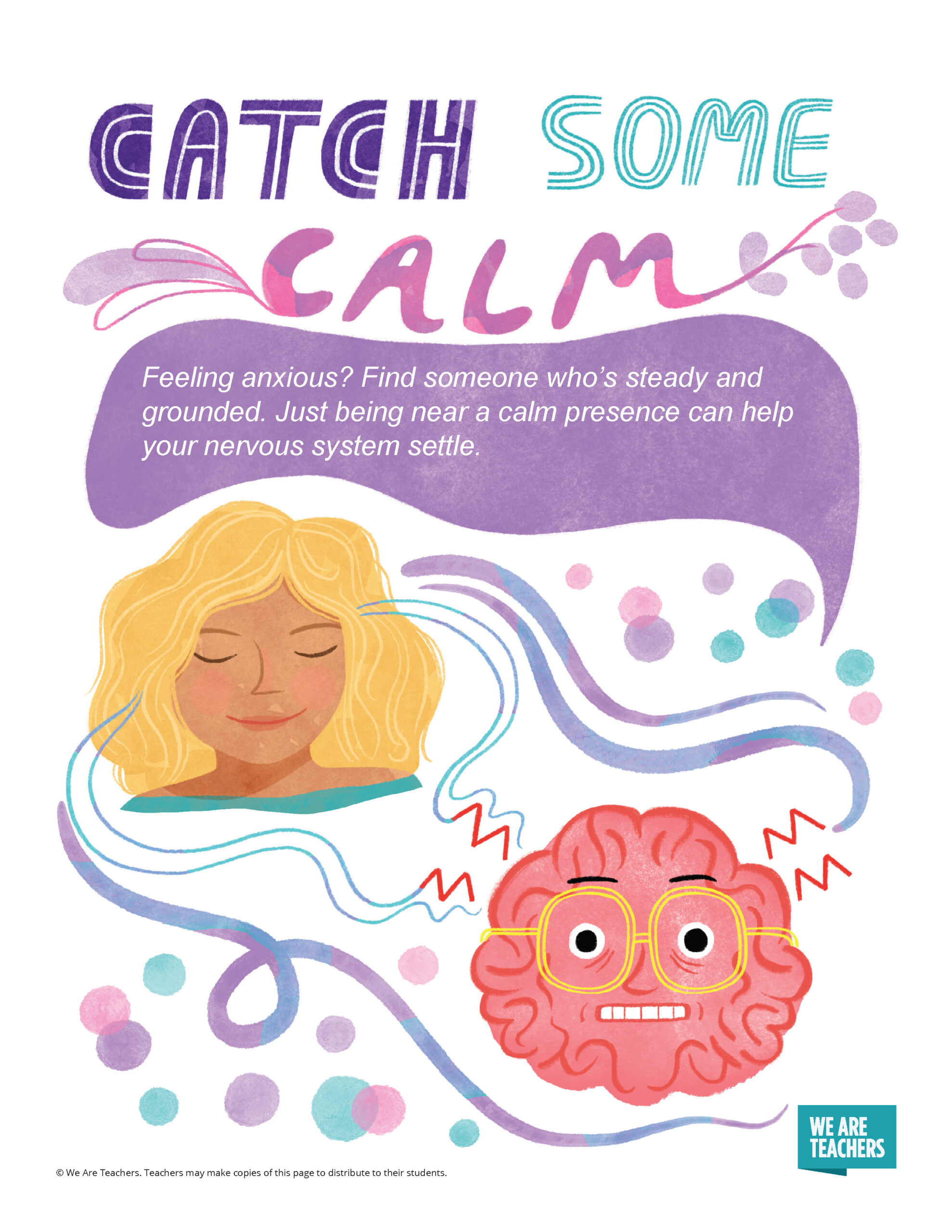
Sometimes it looks like borrowing connection in tiny ways.
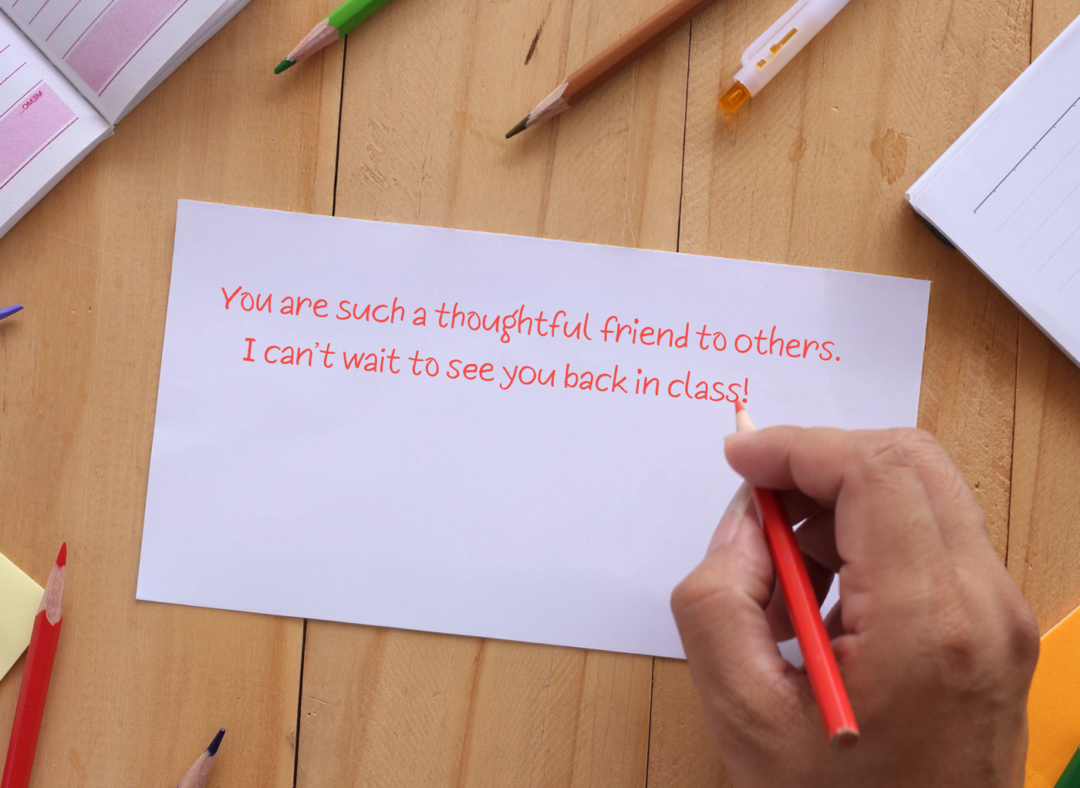
A genuine “I’m glad you’re here” to a young person.
A quick, knowing glance with a colleague in the hallway.
A moment of shared laughter that interrupts the heaviness, even briefly.
These are not extras. They are nervous system anchors.
And sometimes—this one can be the hardest—it looks like redefining what “enough” means in this season. Because spring has a way of making everything feel urgent.
Progress.
Growth.
Outcomes.
End-of-year everything.
But sustainable work with young people has never been about perfection. It has always been about presence. So maybe “enough” right now looks like:
- Showing up consistently, even if not perfectly
- Prioritizing the moments that matter most
- Letting some things be good enough so that you can stay well enough
Not lowering the bar—but adjusting it so you can keep going without losing yourself in the process. There’s something else I want to say, especially if this season has felt heavier than most. If you’ve had moments where you’ve felt disconnected from your purpose, or questioned your impact, or wondered if you can keep doing this work the way things are. That doesn’t mean your “why” is gone, it means it’s tired—buried, maybe, under layers of responsibility and stress and showing up for others. But it’s still there.
You see it in the small things:
- A young person who trusts you just a little more than they did before
- A moment of calm in a space that used to feel chaotic
- A breakthrough that no one else noticed, but you did
These are quiet indicators that what you’re doing is working—even when it doesn’t feel loud or immediate. If no one has said it to you lately, let me say it now: The work you do is deeply human work. And it was never meant to be carried alone, or without care for the one doing the carrying. So as you move through this spring, instead of asking, How do I push through the rest of this?
What if the question became:
What would it look like to be supported while I keep showing up?
And what if the answer isn’t something big or far away—
but something small, available, and within reach?
A breath.
A pause.
A moment of connection.
A permission slip to be human in work that asks so much of your humanity.
Because you don’t need to become someone new to keep doing this work.
You just need moments—real, intentional moments—to come back to who you already are.
Your knowledge of what you need most is already within you. Self-care begins with self-awareness—making space to listen, accept, and care for yourself with authenticity.
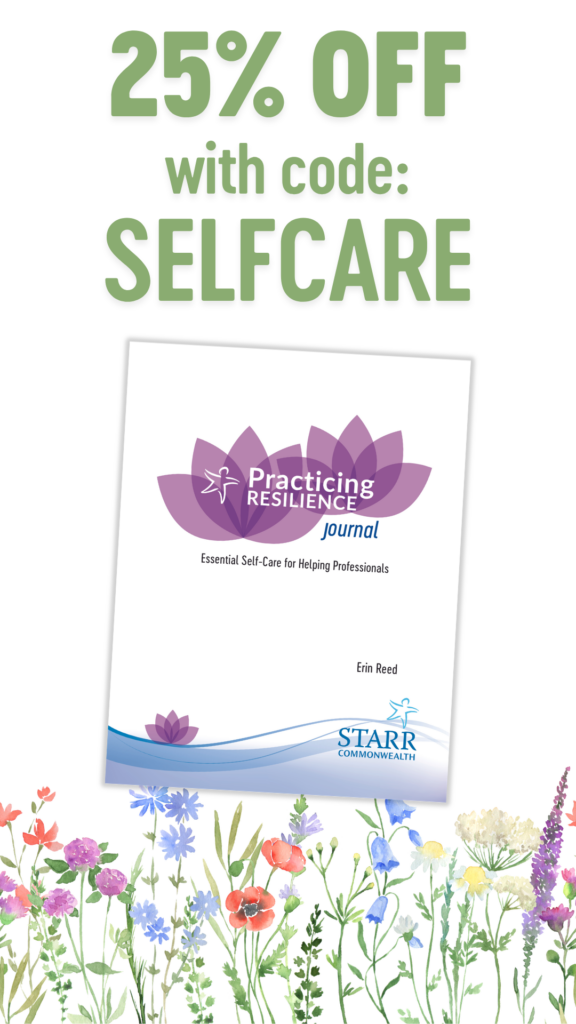
This commitment isn’t always easy. Systems and expectations don’t always align with what we need. But you don’t have to carry it all alone. The Practicing Resilience Journal offers simple, guided support to help you reconnect, restore, and keep showing up with intention. Get yours today!