
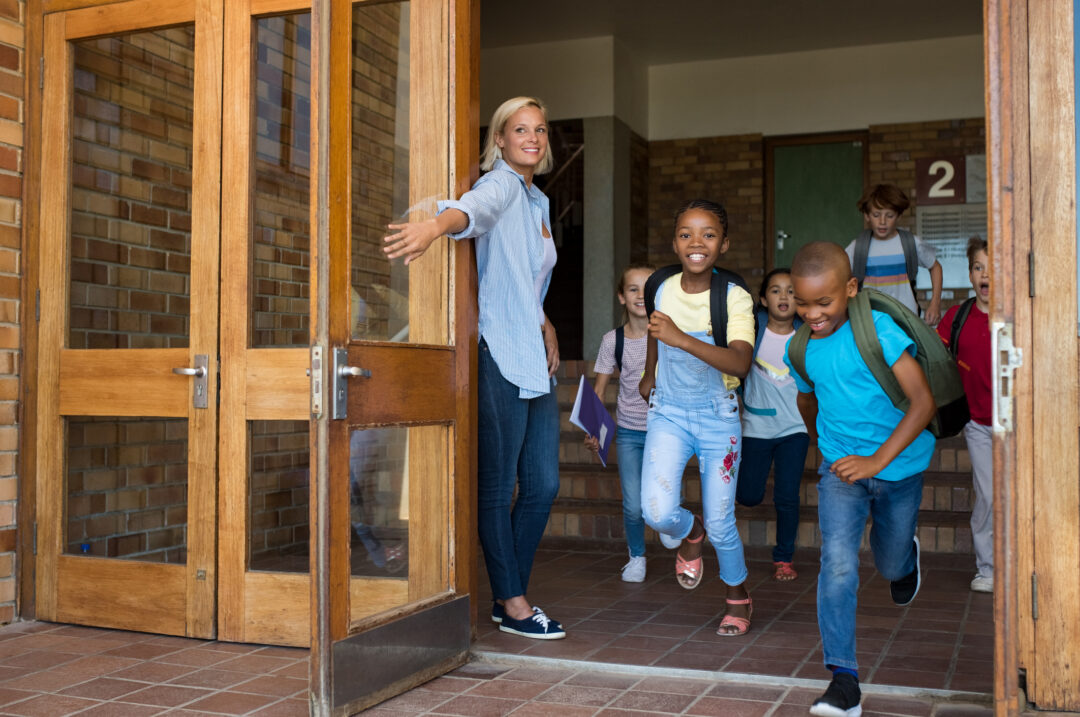
There’s something quietly electric about the last weeks of school. You can feel it the moment you walk through the door — a little more wiggle in the seats, a few more glances at the clock, an unmistakable hum of almost there buzzing through the hallways.
But for many of our students — especially those who carry invisible backpacks full of hard experiences — this transition is not simply exciting. It’s complicated. It’s uncertain. It can even feel a little scary.
And that’s exactly why we get to show up so powerfully right now.
Why the End of Year Matters More Than You Think
Here’s a truth that doesn’t always make the lesson plans: the end of the school year is a significant emotional event.
For children who have experienced trauma, school is often the most predictable, safe, and structured place in their lives. It’s where they know who will greet them, what happens after lunch, and that there’s an adult in their corner. When summer arrives, that scaffold comes down — and for some kids, that loss is felt deeply, even if they can’t name it.
What might this look like? A student who seems suddenly more irritable or withdrawn. Clingy behaviors returning. Tears that seem “out of nowhere.” Big emotions about small things — a missing pencil becomes a meltdown, a change in the schedule feels catastrophic.
Sound familiar?
This isn’t defiance. This isn’t immaturity. This is a nervous system doing exactly what nervous systems do when they sense a big change coming. And the good news? We have the tools to help.
The Resilience Focused Lens: It’s Always About the Relationship
Before we get to the activity list (and yes, there is a glorious activity list coming), let’s ground ourselves in what we know to be true:
Every child is doing the best they can with the resources they have.
Our job in these final weeks is not just to teach content or check boxes — it’s to send students into summer feeling seen, capable, connected, and loved. We want to fill their relational tank so full that it carries them through July. That’s trauma-informed practice. That’s resilience-building. And honestly? That’s just good teaching.
Now, let’s dig in.
Supportive Activities: Practical, Playful, and Powerfully Healing
1. 🗺️ My Summer Strength Map
What it is: Students create a personalized visual “map” of their summer — not a schedule, but a strengths map.
How to do it: Give each student a blank sheet of paper or simple template. Ask them to draw or write answers to:
- “What am I good at that I want to keep practicing this summer?”
- “Who is one person I can count on?”
- “What’s one place where I feel safe and calm?”
- “What’s one thing I’m looking forward to?”
Why it works: This activity shifts the brain from threat-scanning (“What will I lose?”) to resource-scanning (“What do I have?”). It’s grounded in the research on protective factors — the people, places, and strengths that buffer children from adversity. By making these visible, students literally hold their resilience in their hands.
💬 Educator tip: Do this one yourself first and share it. Vulnerability is contagious — in the very best way.
2. 📬 Letters to My Future Self
What it is: Students write a letter to themselves to be opened at the start of next school year.
How to do it: Invite students to write (or draw) a letter that begins with: “Dear Future Me, this year I learned…”
Seal the letters in envelopes, store them safely, and plan to return them on Day 1 of the next school year.
Why it works: This activity builds narrative identity — the ability to connect past, present, and future selves into one coherent story. For students who have experienced trauma, the future can feel disconnected or unsafe to imagine. This exercise gently stretches that capacity and sends a message: You have a future. It matters. You matter.
💬 Educator tip: Add a P.S. prompt — “One thing I want my teacher to know about me is…” — and tuck it away as your own gift at the start of next year.
3. 🌟 The Wall of Wins
What it is: A whole-class celebration of the year’s big AND small victories.
How to do it: Cover a bulletin board or wall in butcher paper. Give students sticky notes or small slips of paper. Ask them to add:
- A moment they felt proud
- A hard thing they got through
- Something they didn’t know in September that they know now
- A kind thing someone did for them (or they did for someone else)
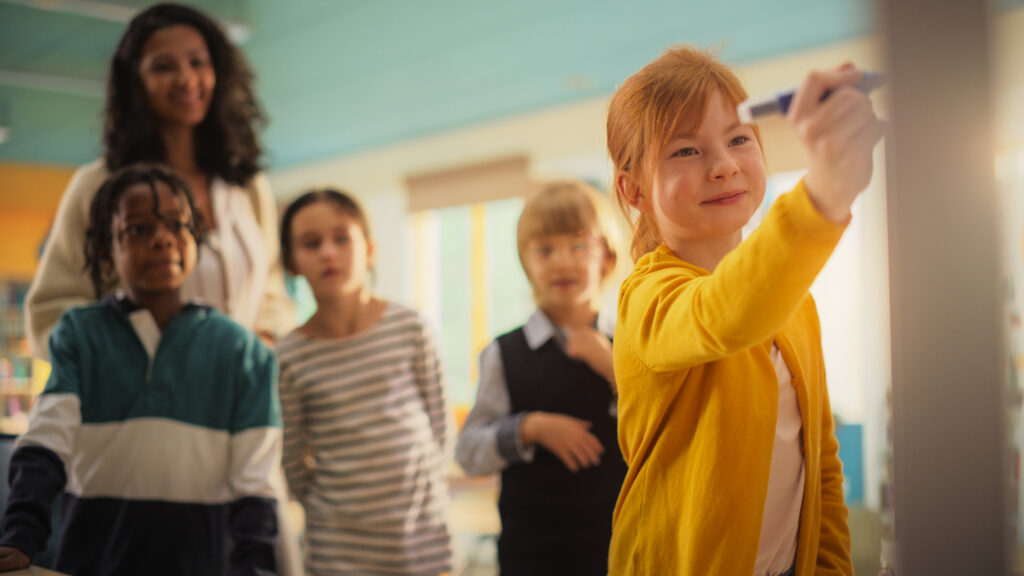
Read them aloud together. Laugh. Cheer. Maybe cry a little. That’s allowed.
Why it works: Trauma often creates what we call negativity bias on steroids — the brain is wired to remember hard things and minimize good ones. This activity actively rewires the narrative by making the good things loud, visible, and communally celebrated. It’s neuroscience wrapped in sticky notes.
💬 Educator tip: Photograph the wall before you take it down. It makes a beautiful end-of-year slideshow — or a powerful reminder for you on the hard days of next fall.
4. 🌈 Feelings Weather Report
What it is: A quick daily check-in practice to name and normalize mixed emotions about the year ending.
How to do it: Each morning during Week 3, spend 3 minutes inviting students to share their “feelings weather”:
- “I’m feeling partly cloudy with a chance of excitement.”
- “I’m sunny but with some nervous thunderstorms.”
- “I’m foggy — I’m not sure what I feel yet.”
There are no wrong answers. All weather is welcome.
Why it works: This is emotional literacy in action. Naming feelings reduces their intensity — a process neuroscientists call “affect labeling.” The metaphor of weather is brilliant for kids because it communicates something crucial: weather passes. Feelings are not permanent. They are not who you are. They are just the weather today.
💬 Educator tip: Make a class “weather chart” and watch how students start predicting and validating each other’s emotional experiences. That’s peer co-regulation, and it’s extraordinary to witness.
5. 💌 Warm Notes of Appreciation
What it is: Students write anonymous appreciation notes to classmates.
How to do it: Give every student a slip of paper with a classmate’s name on it (assign intentionally — make sure every child receives one). The prompt: “One thing I appreciate about you is…” or “I noticed you this year when…”
Read them aloud or place them in envelopes for students to take home.
Why it works: Being witnessed — truly seen by another person — is one of the most healing experiences a human being can have. For children who have not always been seen in safe ways, this is genuinely reparative. And the act of giving appreciation activates the same neural reward pathways as receiving it. Everybody wins, neurologically speaking.
💬 Educator tip: Write one for every student yourself. Yes, every single one. Your note may be the one they keep forever.
6. 🎒 Summer Calm Kit
What it is: Students build a small, personalized collection of coping tools to take home.
How to do it: Provide small paper bags, envelopes, or even just a folded card. Students fill them with:
- A written list of 3 things that calm them down
- A person they can call or talk to
- A short breathing technique they’ve learned (4-7-8 breathing, bubble breathing, etc.)
- A “strength word” that describes them — written big, in their own handwriting
Why it works: This is self-regulation scaffolding made portable. You are essentially sending a piece of your classroom’s safety home with every child. For students who don’t have regulated adults at home, this kit can serve as an anchor — a reminder that they have tools, they have worth, and they are not alone.
💬 Educator tip: Laminate the breathing technique card if you can. The ones that survive summer are the ones that get used.
🌻 A Word for YOU, Educator
You made it through another year.
You showed up — sometimes with a full cup, sometimes running on fumes and sheer determination — and you chose these children every single day. You were, for some of them, the thing that kept going right when everything else felt wrong.
That is not small. That is extraordinary.
As you wrap up this year, we invite you to do your own version of the Wall of Wins. Notice what you did well. Name the students whose faces changed this year — and know that your investment in them is not lost when the bell rings in June. Relationship is the intervention. And the relationships you built? They are woven into who these children are becoming.
You planted seeds this year. Trust the roots.
✨Get more ideas by reading the blog Holding the Thread of Belonging.

