
A Reflection from One Educator to Another
Ok, can I be honest with you for a second?
I used to dread summer PD.
There. I said it. The binders we never opened again. The keynote that was inspiring in the moment and completely gone by August. The three-hour workshop on a strategy that sounded great until you tried it on a real Monday with real kids who hadn’t slept and had three tests that week.
I have sat through a lot of professional development in my career. Some of it changed me. A lot of it didn’t.
And somewhere in the middle of all of it, I started asking a different question. Not “Was this interesting?” but “Will I actually be able to use this?”
That question changed everything.
Summer Is a Gift — Don’t Waste It on Forgettable PD
Here’s the thing about summer that nobody talks about enough: it is the only time in the school year when you have room to think. Real thinking. Slow, spacious, what-if kind of thinking.
During the school year, we’re in survival mode more often than we’d like to admit. We’re reacting, pivoting, staying afloat. We don’t have the bandwidth to deeply learn something new and actually integrate it.
But summer? Summer is different. Your nervous system gets a chance to downshift. Your brain gets to wander. And when you find the right learning — the kind that speaks directly to the real problems you’ve been carrying all year — something clicks in a way it just can’t when you’re in the thick of it.
So the question isn’t whether to invest in yourself this summer. The question is: what kind of learning will actually travel back into the classroom with you in the fall?
I have an answer. And I think you already know what I’m going to say…
…The PD That Follows You Home
The professional development that has stayed with me the longest hasn’t been about curriculum maps or data dashboards. It’s been the learning that helped me understand people — including myself.
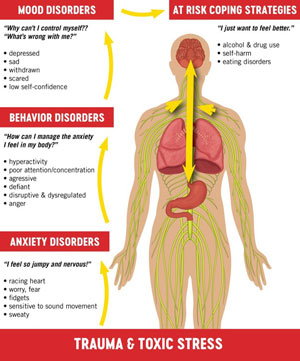
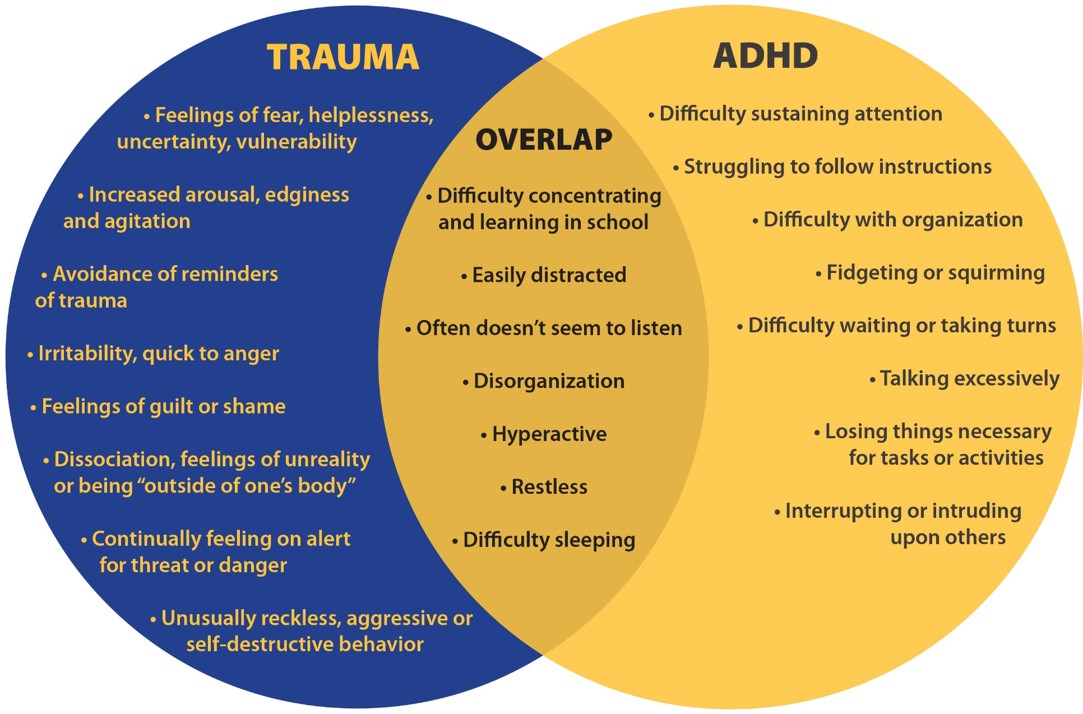
It’s been the training that finally gave me language for what I was watching in my classroom every day. The kid who couldn’t sit still wasn’t defiant — his nervous system was dysregulated. The girl who shut down during transitions wasn’t lazy — she was in a fear response. The student who lashed out right before lunch wasn’t a behavior problem — he was surviving.
When I got trauma-informed, everything changed.
Not just my discipline approach. Not just my classroom culture. My entire relationship with the work changed. I stopped feeling like a failure on the hard days. I started responding instead of reacting. I felt more effective, more compassionate, and — I won’t lie — a lot less burned out.
So What Does That Actually Look Like?
Let me walk you through some options that I wish I’d had earlier in my career — and that I genuinely believe can transform how you show up in the fall.
If You Have Half a Day…
Some of the most powerful learning I’ve experienced happened in a single focused morning — and Starr has several half-day sessions that prove exactly that.
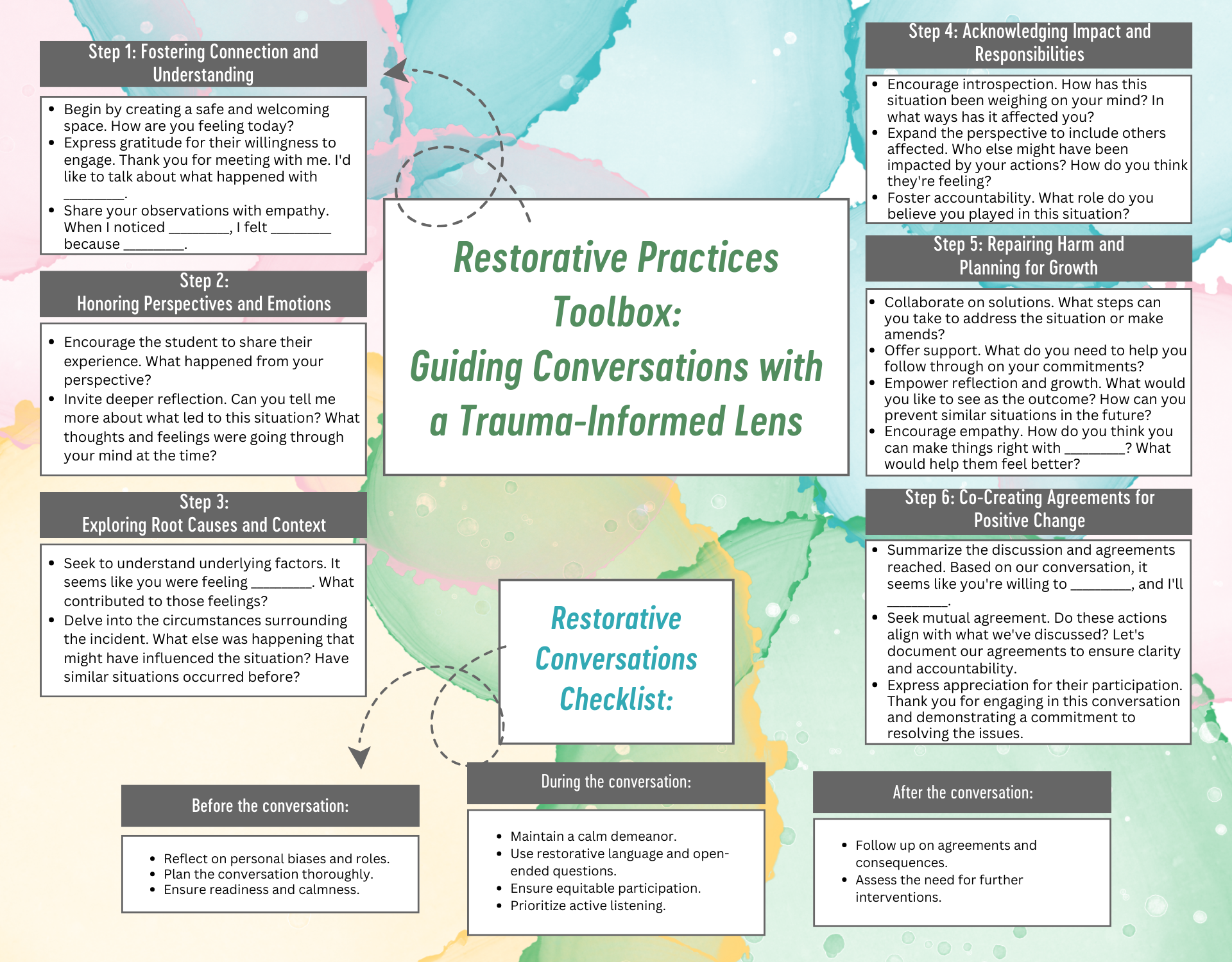
Depending on where you are and what you need most, there’s something for you: maybe it’s rethinking discipline through a trauma-informed lens or finally addressing the compassion fatigue you’ve been quietly carrying. Maybe it’s walking into September with a toolkit of belonging-centered strategies or shifting how your whole school thinks about safety and connection. Whatever the itch you most need to scratch, there’s a half-day designed for it.
These sessions are practical, grounded, and built to travel home with you.
💡 Starr’s half-day trainings are available in-person or virtually — flexible, budget-conscious, and ready to deploy. Explore the all of the options.
If You Have a Full Day…
One full day, invested wisely, can reorient the entire trajectory of your year.
Starr’s full-day Building Resilient Classrooms training gives you the whole picture — the neuroscience, the heart, and the how. You’ll come away understanding not just why students do what they do, but exactly what to do about it. It’s the training I wish I’d had in year one. Evidence-based, deeply human, and built for Monday morning.
💡 Interested in bringing a full-day training to your school or district? Reach out to discuss how to schedule your session.
If You’re Ready to Go Deep…
Some summers, you feel the pull toward something more. Something that doesn’t just add to your toolkit but genuinely changes your professional identity.
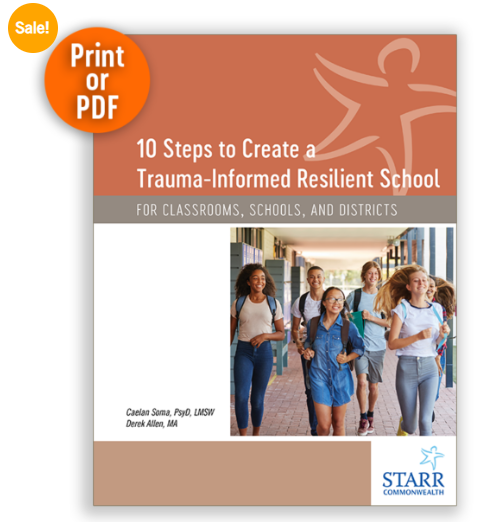
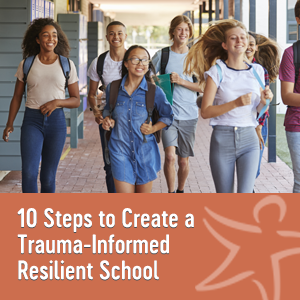
“10 Steps to Create a Trauma-Informed Resilient School” is Starr’s signature two-day certification training — and it is the real deal.
This is where you earn your Certified Trauma and Resilience Specialist (Education) credential. It’s not just information; it’s transformation. You walk away with concrete, research-backed steps to shift your entire school system toward trauma-informed, resilience-focused practice. It answers not just the why but the detailed, unglamorous, glorious how.
And here’s what one participant said — and I promise I’m not just putting a pretty quote in because I have to:
“I loved the different resources and strategies that [the trainer] led us through. They were tangible, practical things we could use in the school setting.”
That’s it. That’s the whole thing right there: tangible, practical, usable. That’s what sets this apart.
Available in-person, live virtual, or self-paced on-demand — so it works around your summer, not the other way around.
💡 Ready to become a Certified Trauma and Resilience Specialist? Learn more today.
One More Thing Before You Go
I want to say something that doesn’t get said enough in PD spaces:
You already care deeply about your students. That’s not the gap.
The gap — for most of us — is having the language, the framework, the resources, and the community to match the level of care we already feel. We’re doing our best with what we know. This kind of learning just gives us more to work with.
And when you come back in the fall with a fuller toolkit, a clearer lens, and the words to name what you’ve been experiencing all along — the classroom feels different. You feel different. And the kids? They feel it too.
That’s not magic. That’s just what happens when an adult shows up more regulated, more grounded, and more equipped.
That’s what good PD does. And that’s what summer is for.
Here’s My Honest Invitation
If you’ve been on the fence about investing in yourself this summer — let this be the nudge.
Pick the option that fits your time, your budget, and the itch you most want to scratch. Start with a half-day if that’s what feels manageable. Jump into the certification if you’re ready to go all in. Or simply subscribe to Starr’s newsletter and get 15% off a certification course or StarrPASS membership — and spend the rest of the summer deciding.
There’s no wrong entry point. There’s only starting.
And I can promise you this: the September version of you will be very glad the June version of you made the call.
See you in the fall — a little more rested, a little more ready, and a whole lot more equipped.
With hope and solidarity, A fellow educator who found Starr — and stayed.









































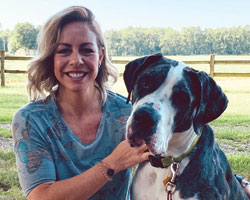 Mackenzie Bentley, MA, LMFT, Director of Therapeutic Services at Starr Albion Prep; oversees the clinical treatment program of at risk youth ages 12-18 years of age. Mackenzie supervises master level licensed therapists who work with various populations through evidenced based practices.
 A Jackson, MI native, Heather Stiltner is a Licensed Professional Counselor in the State of Michigan, in addition to being a Nationally Certified Counselor and a Certified Trauma Focused Cognitive-Behavioral Therapist. She obtained her Bachelor of Arts degree from the Spring Arbor University, majoring Business Management. Her graduate work was completed at Siena Heights University in Organizational Leadership. Additionally, she obtained a second Master’s Degree at Spring Arbor University in Masters of Counseling.
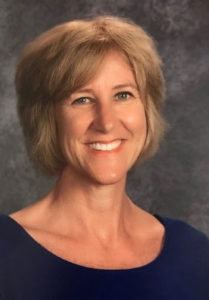 Amy Swis is a licensed Clinical Social Worker as well as a Licensed Trauma Trainer. I have been working with children, adolescents, families, and the community at large for over thirty years. I have worked internationally as a Peace Corps Volunteer and domestically as a School Social Worker, Supports Coordinator, Disability Advocate, and Youth Worker. I have worked as a School Social Worker for Airport Community Schools, Dearborn Public Schools, and Detroit Public Schools. Currently, I am a School Social Worker at Lincoln Park Public Schools. A primary focus for Lincoln Park Public Schools is a Trauma Informed and Resiliency Focused approach with students and a Self Care component for staff. Building capacity within our practice and the district is a passion in order for staff and students to lead pro-active lives. This will empower neighborhoods and the communities we serve; more specifically for marginalized citizens.< ?p>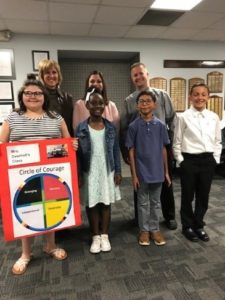
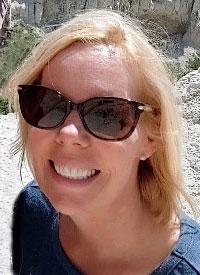 Kim Wagner has been an occupational therapist for 26 years with 20 of them in the public school system. She also worked many years at sensory clinic and sensory camp. Kim has a master's degree in occupational therapy with a minor in early childhood development. She has also been certified in Infant Massage, Brain Gym, The Alert Self-Regulation Program, Trauma Informed Trainer (by STARR Global) and the Sensory Integration Praxis Test and Treatment. Kim currently works in Lincoln Park schools as an OT for the general education population. Kim is on the Behavior Support team and is part of the Trauma Informed Team. Kim's focus in her current position is providing regulation, sensory and trauma informed behavior support to students and teachers for a more successful educational experience.